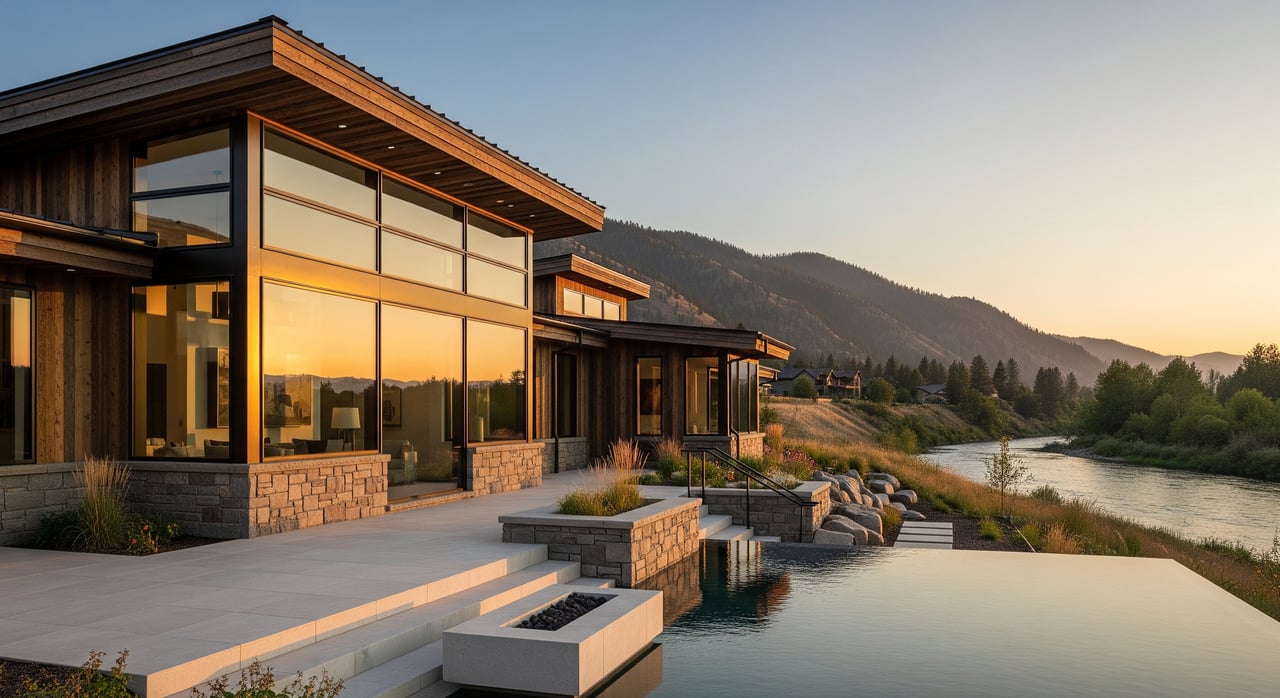
What could your Canyon River home look like if your lot worked around your life, not the other way around? If you are exploring Phase 9–11 in 59802, you have real flexibility to shape a cottage or an estate home that fits how you live every day. This guide gives you clear ideas for layouts, garages, outdoor living, materials and energy features, plus what to verify before you start design. You will leave with practical next steps to move from vision to a buildable plan. Let’s dive in.
What to confirm before you design
Before you sketch a floor plan, make sure the site can support it. The details below set the guardrails for smart design.
- Recorded plat, CC&Rs and design guidelines. Confirm your buildable area, setbacks, easements, height limits, garage placement rules and exterior material palettes in the Phase 9–11 documents. Most communities use an architectural review committee that must approve your elevations, colors and site plan.
- Utilities and services. Verify water and sewer connections, fees and capacity with local providers, and confirm electric service with NorthWestern Energy. If a specific lot is not on sewer, check septic feasibility with the City-County Health Department before you plan plumbing-heavy spaces.
- Topography, soils and drainage. Some Canyon River lots include slope, fill or rock. A topographic survey and geotechnical report help you pick the right foundation, anticipate sitework costs and place the home for efficient drainage.
- Views and solar exposure. Orient main living spaces and decks toward views and good daylight. Western Montana has favorable solar potential, so plan roof planes with that in mind if you want photovoltaic panels later.
- Wildfire and site hazards. Many Missoula neighborhoods plan for wildfire exposure. Ask the local fire district and HOA about defensible space, ignition-resistant materials and any landscaping rules that affect your design.
Estate vs cottage: space and layout
Phase 9–11 supports both estate-scale homes and more compact cottages. Your lot size, setbacks and design guidelines will shape what is possible.
- Estate homes. Broadly, you might target 2,500 to 5,000-plus square feet, depending on lot and budget. Popular choices include a single-level with a wide footprint, a main level plus daylight or walkout basement, or a primary-on-main layout with a separate guest suite. Expect room for 3-car or larger garages, expanded mudroom and pantry spaces, and dedicated office or hobby areas.
- Cottage homes. Many buyers aim for 1,000 to 2,200 square feet with efficient plans. Think open great rooms, a compact mudroom, and a 1- to 2-car garage. Side-load or alley-access garages can keep the front façade welcoming and pedestrian friendly where allowed.
- Universal strategies. Place living spaces to the south or southwest for sun and views, and size roof overhangs to block summer heat. Include a flex room that can shift from office to guest space as your needs change. On sloped sites, a finished walkout basement can add useful square footage and storage.
- Cost framing. Construction costs vary with finishes, foundation type and sitework. Get early pricing from local custom builders to align scope and budget.
Garage and accessory choices
Garages and accessory buildings do more than store vehicles. They support hobbies, gear and future flexibility.
- Layouts that fit the lot. Front-load garages are efficient for cottages. Side-load or alley-load setups can improve curb appeal where plats allow rear access. Estate lots often support 3-plus bays, including RV or high-clearance spaces if within height and design limits.
- Accessory dwellings and shops. Some buyers plan for an ADU, carriage house or detached shop. Confirm with the CC&Rs, local zoning and utility capacity before you assume rental or guest quarters are allowed.
- Practical upgrades. Consider a workshop bay, floor drain, heat in the garage, EV charging, and storage lofts. Pick garage door styles that match your architecture, from carriage-style to clean, modern panels.
Outdoor living that works in Missoula
Design outdoor spaces you will actually use across seasons.
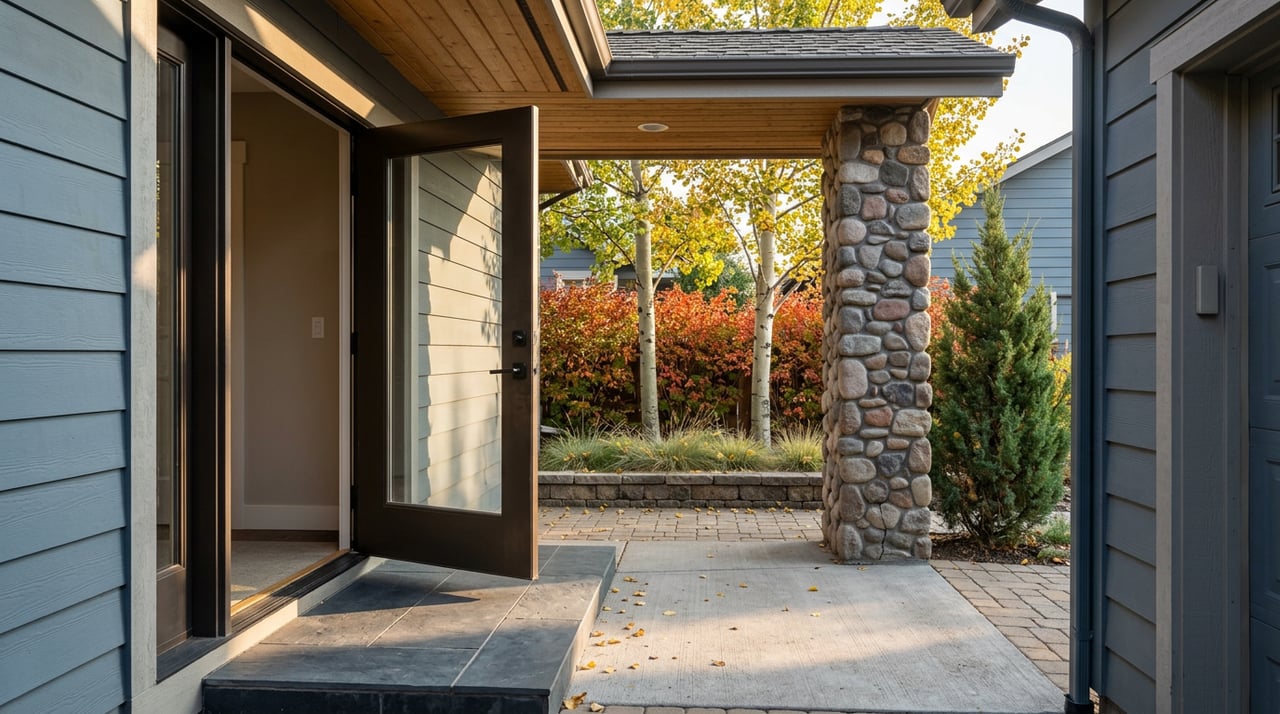
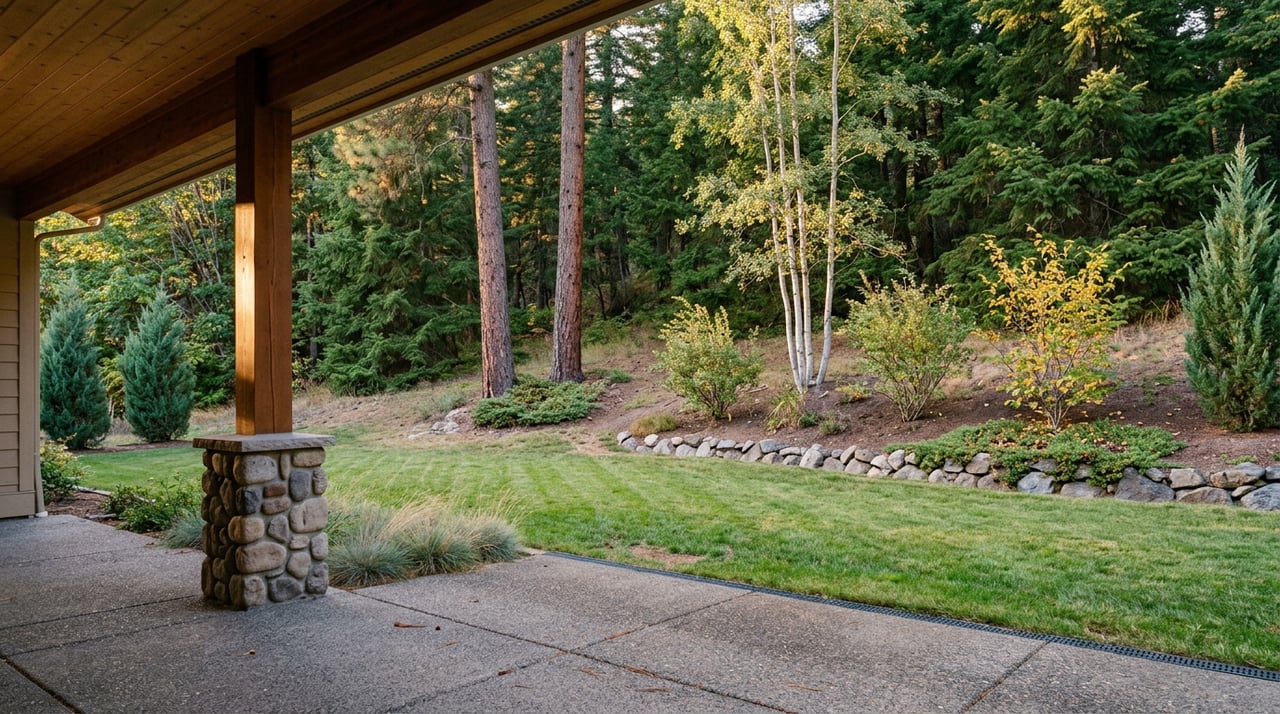
- Porches and patios. Covered and screened porches help during shoulder seasons and insect-heavy evenings. Wind-protected outdoor kitchens and gas fireplaces can extend use into cooler nights, subject to local rules.
- Sun and snow. Add a south-facing patio or terrace for winter sun. Plan snow storage on the landscape and consider heated entries or a snow-melt system if convenience is a priority.
- Drainage and stormwater. Make sure downspouts and grading route water to approved areas. Permeable paving, rain gardens and bioswales can help meet stormwater needs and protect planting beds.
- Planting and privacy. Favor native, drought-tolerant plants and use trees for shade. Check fence heights and materials with the CC&Rs, and plan landscapes that discourage wildlife conflicts.
Architectural styles that fit
Canyon River supports a range of Western Montana styles that connect with the landscape and community context.
- Mountain contemporary. Clean lines, larger window walls and a mix of wood, metal and stone create a modern look grounded in natural materials.
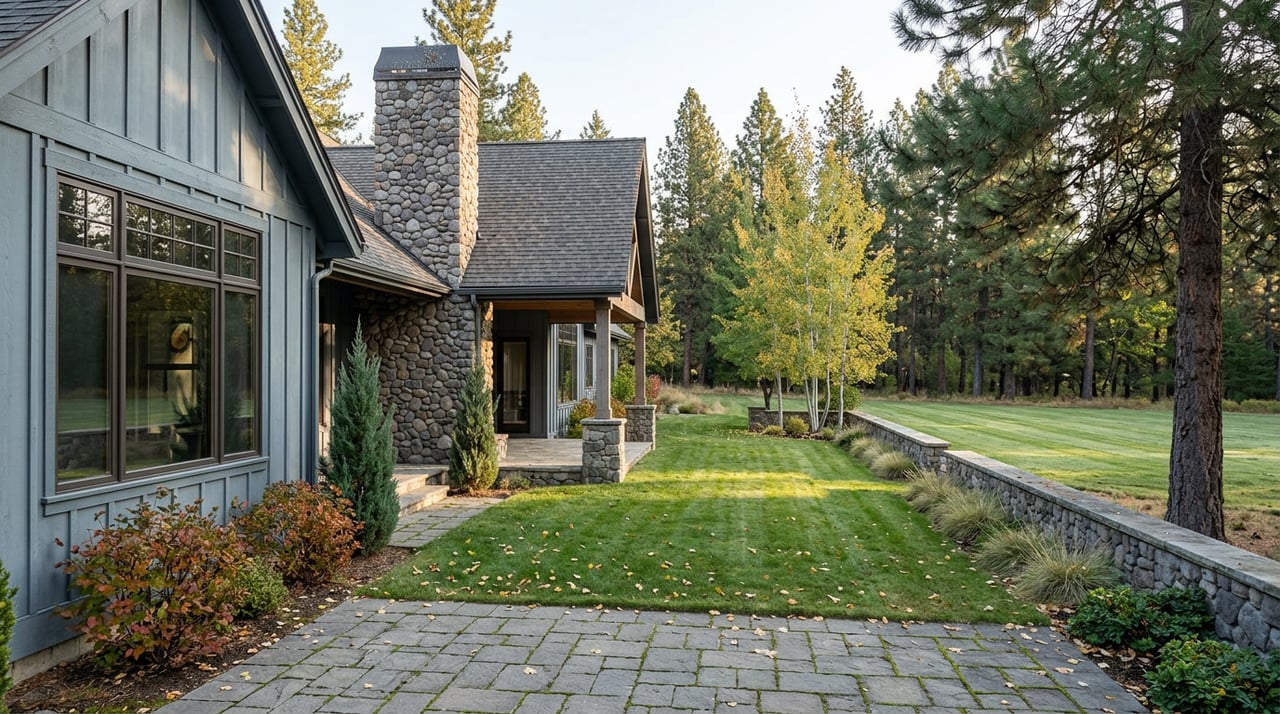
- Rustic-modern and timber influence. Exposed beams, natural stone bases and cedar elements feel at home near river and foothill views.
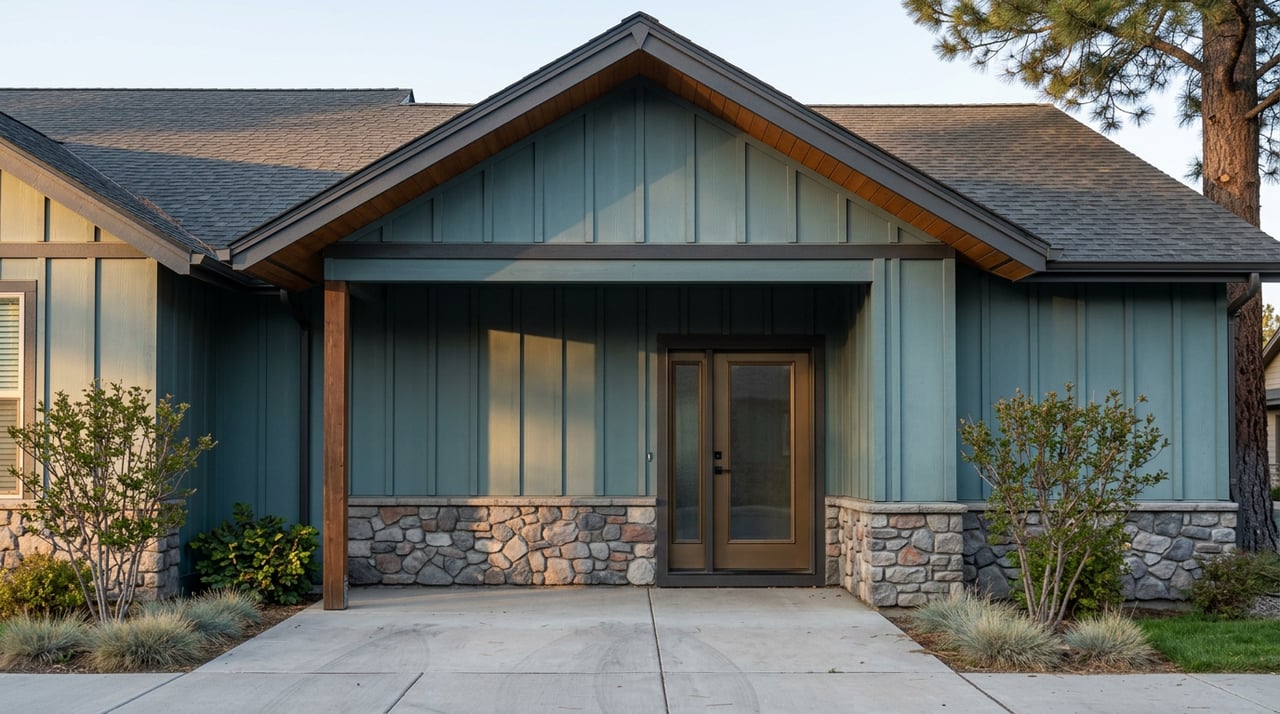
- Modern farmhouse. Gabled roofs, board-and-batten siding and deep porches scale well from estate footprints to cottage lots.
- Craftsman and cottage. Human-scale massing and detailed trim work well for compact footprints and friendly streetscapes.
- Material choices. Use durable, low-maintenance materials that meet HOA and fire-safety expectations, such as metal roofing and cementitious siding paired with warm wood tones or earth-color palettes.
Smart, durable interiors
Plan for everyday flow and four-season living.
- Open, view-forward living. Place the kitchen and great room to capture views and connect to a covered outdoor space.
- Mudroom and laundry. A combined or adjacent mudroom with durable flooring and built-ins makes winter gear, golf clubs and pets easier to manage.
- Main-level suite. Many buyers prefer a primary suite on the main level for long-term comfort and accessibility.
- Flexible rooms. Design a pocket office, den or guest room that can shift as your needs evolve.
- Fit and finish. Wide-plank or engineered wood floors, quartz or stone counters and statement lighting feel right at home. Choose large-format tile in baths and mudrooms for easy maintenance.
Energy and resilience upgrades
Western Montana’s climate rewards efficient, resilient homes.
- HVAC choices. Cold-climate heat pumps are increasingly common. Some plans add a secondary heat source for extreme cold snaps.
- Solar-ready roofs. If you are interested in solar, plan roof orientation and a conduit path now. Federal tax incentives and local utility programs can improve project economics, so confirm current options during design.
- High-performance envelope. 2x6 walls with continuous insulation, high-efficiency windows and careful air sealing increase comfort and reduce energy use. Consider an energy recovery ventilator for steady fresh air.
- Water-wise features. Low-flow fixtures and smart irrigation help conserve water and lower operating costs.
Fire-wise design
Thoughtful choices can reduce wildfire risk and may be required by your HOA.
- Exterior materials. Use Class A roofing, non-combustible or ignition-resistant siding near ground level, and ember-resistant vents. Enclose eaves and under-deck areas with solid materials instead of lattice.
- Defensible space. Create clearance zones, thin dense vegetation and use hardscape near the home perimeter. Coordinate with the local fire district and follow neighborhood guidance.
HOA, permits and timeline
Plan your approvals early to keep the build on schedule.
- Who to contact. Coordinate with the developer or HOA’s architectural review committee for design approvals. Confirm permits and any design review with the City or County planning office, and check utility service with NorthWestern Energy. If the lot is not on sewer, work with the City-County Health Department.
- Common restrictions. Expect standards for materials, colors, building height, roof pitches, garage placement, exterior lighting and fence types. Some phases limit impervious area and require specific landscaping approaches.
- Typical sequence. Review CC&Rs and design guidelines, order a survey and topo, meet the HOA for a pre-submittal, develop concepts with your builder and architect, submit to the ARC and local planning, pull permits, then build.
- Build timeline. Custom homes often take 8 to 18 months depending on complexity, sitework and finish level. Sloped or rocky sites may add time for foundations and grading.
Design scenarios you can adapt
Use these examples to imagine how your Phase 9–11 lot can flex for different lifestyles.
- Single-level simplicity on an estate lot. Plan a main-level primary suite with two guest rooms, a generous mudroom-laundry and a 3-car garage with a small workshop. Add a covered porch facing afternoon light and a low-maintenance landscape. A walkout lower level can stay unfinished for storage or future expansion.
- Flexible two-story on a cottage lot. Choose a compact footprint with an open great room, 3 bedrooms and 2.5 baths. A side-load garage keeps the front porch inviting where setbacks allow. Use a flex room near the entry as an office or guest space, and design a fenced, play-friendly backyard within CC&R guidelines.
- Entertainer’s indoor-outdoor plan. Create a large great room with a kitchen island oriented to views. Use wide patio doors to a covered outdoor kitchen, a gas fire feature and simple landscape lighting. Consider a hot tub pad and wind screening for four-season use.
Your next steps
- Request the Phase 9–11 CC&Rs, design guidelines and recorded plat so you know exact setbacks, height limits and material standards.
- Order a site survey, topographic map and geotechnical report if your lot has slope or unknown soils.
- Meet the HOA architectural review committee for a pre-submittal conversation to confirm design direction.
- Interview local builders and architects who have recent Canyon River or Western Montana experience, and get preliminary pricing.
- Align utilities, energy goals and wildfire-hardening choices before finalizing plans.
- Submit to the ARC and local planning, then apply for building permits and schedule inspections.
Ready to translate ideas into a buildable plan in Canyon River Phase 9–11? Connect with our local team to align your lot, design and builder into one smooth process. Start your Canyon River story with guidance from Stephanie Nelson.
FAQs
How big can a home be in Canyon River Phase 9–11?
- It depends on your lot, setbacks, easements and any maximum lot coverage in the CC&Rs and plat; review those documents and confirm with the HOA and local planning office.
Can I add an ADU or detached shop on a Phase 9–11 lot?
- Some lots may allow accessory dwellings or shops, but you must verify with the CC&Rs, local zoning and utility or septic capacity before planning plumbing or rental use.
What garage configurations work in Phase 9–11?
- Front-load garages fit many cottages; side-load or alley-access options help preserve the façade where allowed; estate lots often support 3-plus bays, subject to height, placement and design rules.
What outdoor features suit Missoula’s climate in 59802?
- Covered or screened porches, wind-protected outdoor kitchens, gas fireplaces, south-facing patios for winter sun and planned snow storage all increase year-round use.
Which architectural styles are common at Canyon River?
- Mountain contemporary, rustic-modern with timber accents, modern farmhouse and Craftsman or cottage styles are frequently chosen, paired with durable, low-maintenance materials.
How long does a custom build usually take in Phase 9–11?
- Many custom homes take 8 to 18 months depending on design complexity, sitework and finish level; sloped or rocky lots can add time for foundations and grading.
What should I do first before hiring a designer or builder?
- Gather the Phase 9–11 CC&Rs and design guidelines, the recorded plat and a site survey, then meet the HOA architectural review committee for early feedback.
How can I design for wildfire resilience in Canyon River?
- Use Class A roofing, ignition-resistant siding near ground level, ember-resistant vents, enclosed eaves and defensible-space landscaping per local fire district and HOA guidance.