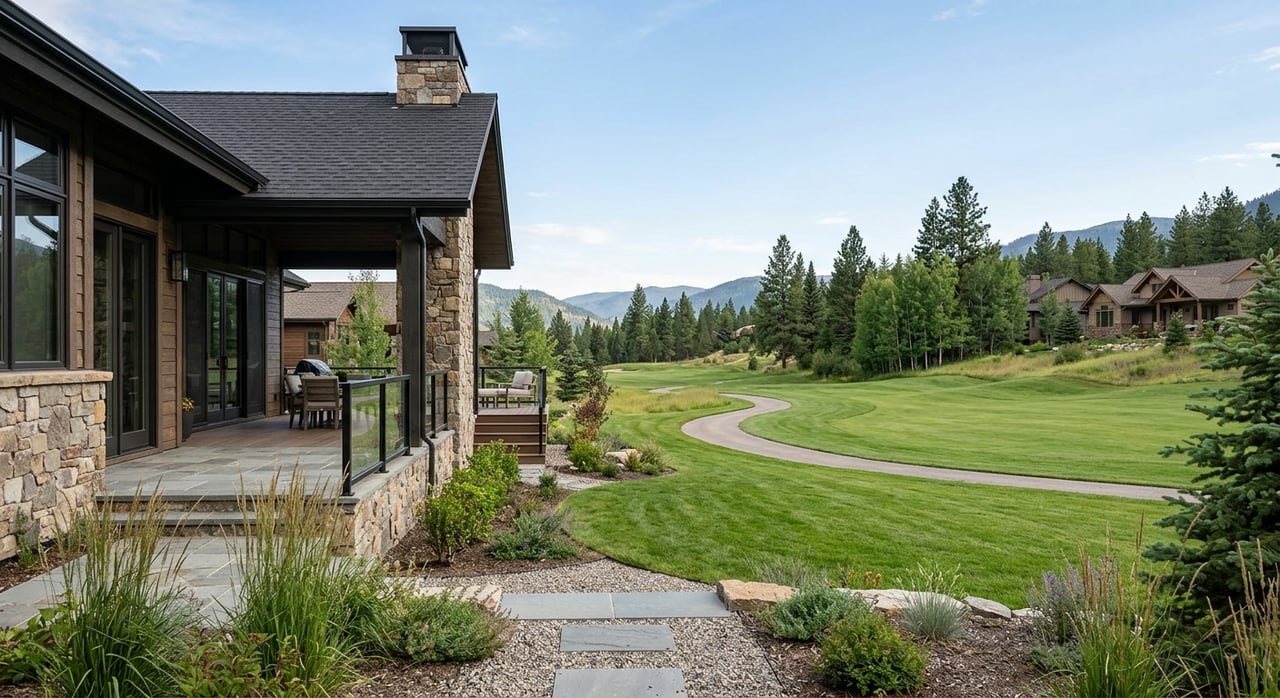
Choosing a view lot sounds simple until you start comparing what each homesite actually offers. In Canyon River Phase 9-11, two lots in the same release can feel very different based on size, orientation, nearby buildable land, and how the light moves across the property. If you want a lot that fits both your lifestyle and your future build, this guide will help you compare Phase 9-11 more clearly. Let’s dive in.
Why Phase 9-11 lot choice matters
Phase 9-11 is Canyon River’s newest custom-lot release, with both Estate and Cottage homesite options, no required timeline to build, and updated design guidelines that allow a broader, more modern style palette. That flexibility is a big draw, but it also means you need to look closely at the specific lot rather than rely on the phase label alone.
Current listings show that lot size can vary within this release, including examples around 0.55 acres and 0.26 acres. View descriptions can vary too, with some parcels showing golf course, meadow, mountain, valley, and trees or woods views, while others also include residential views or cul-de-sac placement. In other words, the best lot for you depends on the exact homesite and how you plan to use it.
Start with the actual view corridor
A great view lot is not just about what you see when you first step onto it. It is also about what could change over time as surrounding parcels develop.
When you compare Phase 9-11 lots, identify the primary view axis on the plat map. Look closely at whether your sightline faces open space, a fairway, a buffer area, or another buildable lot. A view across land that may be built on later can feel very different from a view that looks across a more protected corridor.
Ask what can change later
This is one of the most important questions in lot selection. A homesite may have a beautiful outlook today, but if the neighboring parcel can support a future home, your long-term view could change.
That does not mean you should avoid a buildable neighboring lot. It simply means you should weigh the current view against future build-out and decide how important view permanence is to you.
Compare light and lot orientation
Views matter, but so does daily comfort inside your future home. The way your lot is oriented can affect winter sunlight, glare, and how usable your main living spaces feel throughout the day.
South-facing windows usually capture the most winter sunlight. East- and west-facing windows can bring beautiful morning or evening light, but they can also create more glare and heat. In a place like Missoula, many buyers want a lot where the home can capture the view without making indoor light harder to manage.
Visit at more than one time of day
A lot can feel completely different in the morning than it does at sunset. If possible, walk the homesite at different times of day so you can see where the sun falls and how the lot connects to the views you care about most.
This matters even more if you already have a rough idea of your future floor plan. Think about where you would want your great room, kitchen, patio, or primary bedroom to sit in relation to both the scenery and the sun.
Estate vs. Cottage lots for views
It is easy to assume the biggest lot has the best view, but that is not always true. Estate lots are generally larger and can offer more room for privacy and setbacks, while Cottage lots are generally smaller and lower maintenance.
That said, a smaller lot can still be an excellent view lot if it sits in the right position. A cul-de-sac location, a buffer edge, or a homesite with a strong orientation toward open scenery may deliver a better overall experience than a larger lot with a less protected outlook.
Bigger does not always mean better
If privacy is a top goal, an Estate lot may give you more flexibility. If lower maintenance matters more and the lot still captures a strong view corridor, a Cottage lot may be the better fit.
The key is to compare how the lot lives, not just how large it is on paper. In Phase 9-11, placement and orientation can matter just as much as square footage.
Check shape, slope, and usable space
Some of the best view lots come with tradeoffs. A stronger sightline may mean a sloped site, less flat yard area, or a build that needs more planning.
That is not necessarily a drawback. In Canyon River, a sloped homesite may create the chance for a daylight or walkout lower level, which can maximize natural light and add useful living space.
Think beyond the front curb
As you compare lots, ask how much of the site is truly usable for the life you want. Consider outdoor seating, driveway approach, snow-season access, and whether the slope works with the type of home you hope to build.
A lot that looks dramatic from the street may still need careful planning to make the most of its indoor and outdoor living areas. That is why slope and shape should be part of your first review, not an afterthought.
Review Missoula-specific due diligence early
Because Canyon River sits along the Clark Fork River and is presented as a setting just minutes from Missoula, floodplain and drainage review should be part of your lot comparison. Missoula County notes that the current FEMA DFIRMs were adopted effective October 5, 2023, and the county is updating Clark Fork, Bitterroot, and Rock Creek floodplain maps.
Missoula County also states that a floodplain permit application must be approved before development activity. For a view lot near water, drainage swales, or a lower area in the plat, that makes floodplain review a practical step before you get too far into your decision.
Use county records, not just marketing
County GIS and map tools can be helpful for research, but Missoula County says they are reference tools only and should be verified against original documents. That is why it is smart to review the recorded plat, survey records, easements, and other parcel-level information as part of your due diligence.
This is especially important when you are comparing setbacks, access, and what might be built nearby. The website listing is a good starting point, but the recorded documents are the final check.
Do not overlook radon planning
If you are planning a new build, radon should be on your list early. EPA’s Montana radon map places Missoula County in Zone 1, and Montana DEQ provides radon test-kit and program information.
For many buyers, this is less about concern and more about smart planning. If you are selecting a lot and preparing for construction, it is helpful to discuss radon-resistant features with your builder team from the start.
A practical checklist for Phase 9-11
Use this checklist when you compare view lots in Canyon River Phase 9-11:
- Identify the main view direction on the plat map.
- Check whether the view looks over open space, a fairway, a buffer, or another buildable lot.
- Compare Estate and Cottage lot sizes based on privacy, maintenance, and setbacks.
- Review lot shape, slope, driveway access, and usable outdoor space.
- Ask whether a daylight or walkout lower level is realistic.
- Visit the lot at different times of day to study light and glare.
- Review setbacks, easements, cul-de-sac placement, CC&Rs, and design guidelines.
- Verify utilities, HOA details, and any parcel-specific differences before removing contingencies.
- Check floodplain and drainage considerations early.
- Plan for radon review if you expect to build.
How to narrow down your best lot
If you are choosing between a few strong options, focus on the features that will matter most to you five or ten years from now. For some buyers, that is a more protected mountain or fairway view. For others, it is lower maintenance, a better fit for a future floor plan, or a homesite with more privacy.
The right choice usually comes from balancing scenery with buildability. In Phase 9-11, the most successful lot decisions tend to come from buyers who look past the marketing headline and study the lot’s orientation, future surroundings, and long-term livability.
A view lot should support the way you want to live, not just look good in a listing. If you want help comparing specific homesites in Canyon River Phase 9-11, Stephanie Nelson can help you evaluate the lot, the setting, and the practical details that matter before you move forward.
FAQs
Do Estate lots in Canyon River Phase 9-11 always have the best views?
- No. Estate lots are generally larger, but view quality also depends on orientation, surrounding parcels, and how protected the view corridor is.
Are Cottage lots in Canyon River Phase 9-11 always less private?
- Not always. Cottage lots are usually smaller, but a lot on a cul-de-sac, along a buffer edge, or in a protected position can still feel quite private.
Can you rely on a Canyon River listing description alone when choosing a view lot?
- No. Listing descriptions are helpful, but you should also review the recorded plat, county records, and parcel-specific documents before making a final decision.
What due diligence matters most for a view lot near the Clark Fork River in Missoula?
- Floodplain, drainage, and recorded parcel information should be reviewed early, especially for lower-lying lots or sites near water-related features.
Why does lot orientation matter for a Phase 9-11 view lot?
- Orientation affects winter sunlight, morning and evening glare, and how well your future home can capture both the view and comfortable natural light.