Buying a homesite in Canyon River Phase 9 through 11 is exciting, but the walkthrough process can feel less clear than the floor plan itself. You want to enjoy the fairway views, trail access, and quick drive to downtown Missoula without missing important details during construction. This guide will help you know what to look for, what to ask, and how to stay organized from lot walk to closing. Let’s dive in.
Why walkthroughs matter in Phase 9-11
Phase 9 through 11 is Canyon River’s newest custom-lot release, with Estate and Cottage homesite options, no required timeline to build, and updated design guidelines that allow a broader, more modern style palette. Current Canyon River materials also note that you may choose an existing floor plan and work with preferred builders. That flexibility is a major benefit, but it also means your lot, plan, and build details deserve careful review at each stage.
For many buyers, a final walkthrough sounds like the main event. In reality, the strongest approach is to treat walkthroughs as a sequence. A pre-construction lot walk, a pre-drywall review, and a final pre-close walkthrough each catch different issues.
Start with the lot walk
Before construction begins, your lot walk sets the foundation for everything that follows. This is the time to confirm how the homesite actually feels on the ground, not just how it looked on a map or marketing sheet.
Check orientation and long-term views
Walk the lot and notice where the home will sit in relation to sunlight, streets, neighboring parcels, and open sightlines. If your buying decision is tied to a view corridor, ask which nearby lots are still buildable and how future homes could change that outlook. This is especially important in a community where golf, river, and mountain-adjacent views shape the lifestyle appeal.
Review slope, drainage, and floodplain details
Canyon River’s own lot guidance recommends reviewing slope, drainage, and floodplain factors early. Pay attention to low spots where water may collect and ask how grading will move water away from the future foundation. If the lot has unique topography, that may affect driveway design, yard use, and construction planning.
Confirm setbacks, easements, and utilities
Lot-specific rules can shape where you can build and how the site functions. Ask which setbacks, easements, utility locations, HOA standards, design requirements, and builder approval requirements apply to your exact parcel and phase. Getting those answers upfront can prevent redesigns and delays later.
Ask about radon planning early
Missoula County falls in EPA Zone 1, which is the highest radon potential category. Canyon River materials also encourage buyers to think about radon planning early in the process. During your lot walk or early builder meetings, ask whether radon-resistant features will be included during construction.
Plan for a pre-drywall review
Once framing is up and the mechanical, electrical, and plumbing rough-ins are in place, but before insulation and drywall go in, you reach one of the most useful checkpoints. This stage gives you the clearest look at the home’s structure and systems before they are covered.
Why this stage is so valuable
A pre-drywall review gives you a chance to catch issues while access is still easy. Industry guidance from ASHI notes that phased inspections can include foundation and framing checks after rough-ins and before insulation, drywall, and siding. In simple terms, this is your best window to see what will soon be hidden behind finished walls.
What to look at before walls close
At this stage, focus on layout, framing, and the routing of core systems. You are not trying to inspect every technical detail yourself, but you should confirm that what was discussed is what is being built.
Use this checklist during a pre-drywall walkthrough:
- Room sizes and basic layout flow
- Window placement and major sightlines
- Door swings and hallway clearance
- Framing alignment that looks visibly off
- Rough plumbing locations for sinks, tubs, showers, and hose bibs
- Electrical outlet, switch, and lighting locations
- HVAC vent placement and thermostat locations
- Any planned radon-resistant construction features
Consider an independent inspection
Many buyers ask whether a brand-new home still needs an inspection. The short answer is yes. ASHI notes that new homes can still have issues involving framing, grading, HVAC, plumbing, electrical, windows, and finish work, even when the home is being built under current code requirements.
Know Missoula’s permit and occupancy process
Because Canyon River residential lots tied to earlier phases are within city limits, Missoula’s building process is relevant context for buyers in this community. The City of Missoula Building Division requires permits for new construction. The city also states that open permits must pass final inspection before occupancy and a Certificate of Occupancy can be issued.
What a Certificate of Occupancy means
A Certificate of Occupancy, often called a CO, means required inspections were performed and the structure complies with adopted codes. Missoula also states clearly that a CO does not guarantee the house is defect-free. That is why your own final walkthrough and inspection process still matter.
Ask what remains open
Before closing, ask the builder or construction manager which permit conditions, trade inspections, or health inspections are still open and who is responsible for scheduling them. The City of Missoula says the permit holder is responsible for scheduling inspections. If something cannot be completed right away, ask whether a conditional or temporary CO may apply and what that means for timing.
Use the final walkthrough wisely
Your final pre-close walkthrough should happen before closing with enough time for repairs or follow-up. This is not just a ceremonial tour. It is your chance to confirm the home is substantially complete, the agreed features are present, and remaining issues are documented clearly.
Check site and exterior items
Start outside because water, drainage, and exterior finish details are easier to evaluate before you get distracted by interiors. ASHI identifies grading, drainage, foundation conditions, windows, roof details, siding, and finishing issues as common new-build problem areas.
During the exterior review, look for:
- Grading that moves water away from the foundation
- Standing water or obvious drainage concerns
- Foundation cracks that look notable or new
- Driveway and walkway finish quality
- Siding alignment and visible damage
- Roof edges and flashing details
- Window fit and seal condition
- Exterior doors that close properly
- Obvious gaps where moisture could enter
Check interior systems carefully
Inside the home, operate what you can. Run the HVAC, test plumbing fixtures, and turn switches on and off. Verify that sinks and tubs drain properly and that outlets, thermostats, and doors appear to function as expected.
This part matters because many new-construction issues are functional, not just cosmetic. Plumbing leaks, loose electrical components, poorly fitted windows, and system performance problems can still appear in a newly built home.
Expect punch-list items
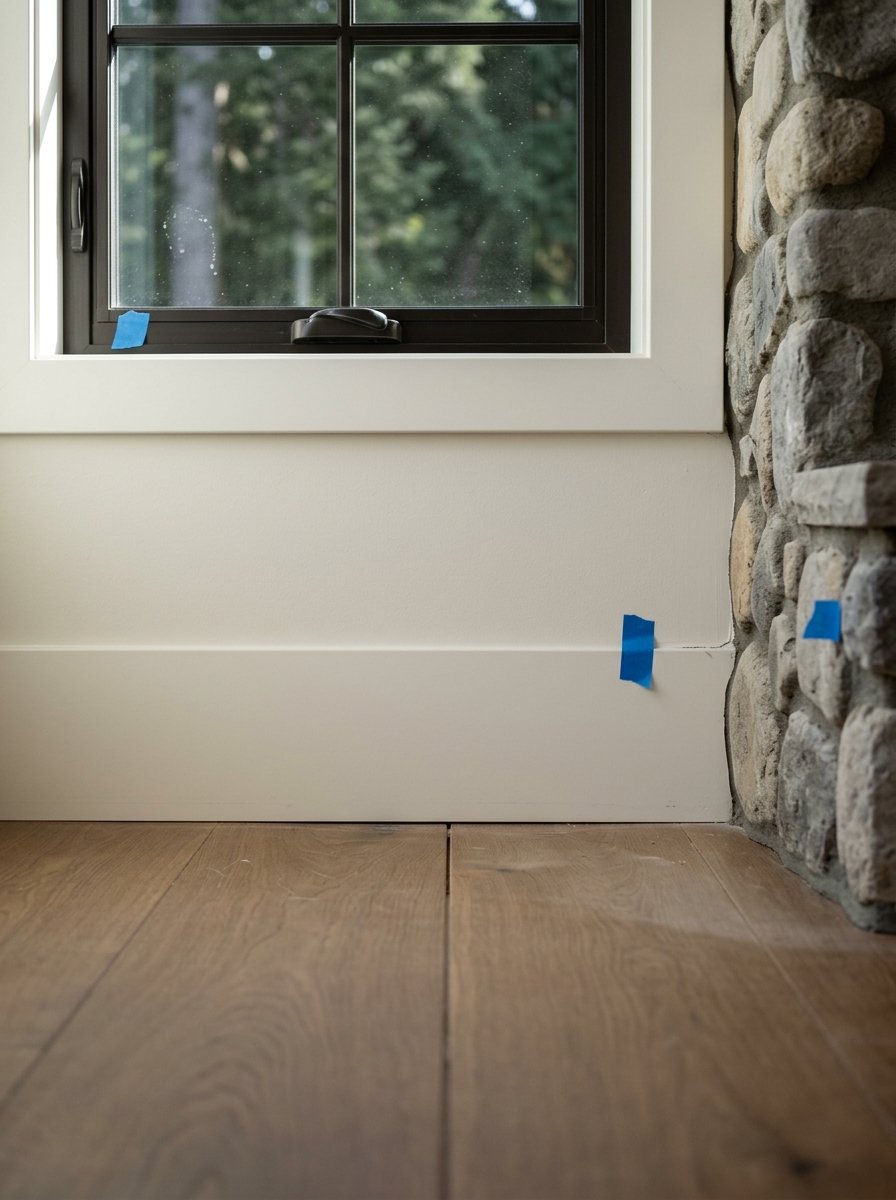
Most final walkthroughs uncover smaller correction items. Common examples include paint touchups, trim gaps, cabinet alignment, flooring transitions, hardware still missing, or doors that do not latch cleanly.
These items do not always need to stop closing, but they do need to be written down. A verbal promise is not enough when you are this close to move-in.
Build a smart punch list
A good punch list protects you and keeps everyone aligned. It also helps your builder, agent team, and lender understand which items are cosmetic, which are functional, and which could affect closing.
How to document issues clearly
Keep your punch list simple and specific. For each item, note the room or location, describe the issue, label whether it is cosmetic or functional, and take dated photos.
A useful format looks like this:
- Primary bath: shower valve trim loose, functional
- Great room: north window will not latch cleanly, functional
- Kitchen: island paint scuff on corner, cosmetic
- Front walk: uneven finish near step edge, functional/safety
FTC guidance also recommends making warranty claims in writing and keeping records of correspondence and conversations. If a major repair is identified, remember that closing can become more complicated and a lender may require repairs before closing or escrow funds afterward.
Get repair timing in writing
If any item will be completed after closing, ask for a clear repair deadline and written next steps. If unresolved issues remain, the safest path is to document them and tie them to a formal follow-up process rather than relying on memory.
Ask the right builder questions
A smooth handoff usually comes down to clear communication. During your walkthroughs, ask direct questions so you know what is complete, what is pending, and what support continues after closing.
Questions worth asking
Bring this list with you:
- What inspections are complete, and what is still open?
- Who is scheduling remaining inspections?
- Is a Certificate of Occupancy expected before closing?
- If something is incomplete, is a conditional or temporary CO being considered?
- What does the builder warranty cover, and for how long?
- How do you submit a warranty claim?
- Are there separate home warranty or service contract options, and how are those different from the builder warranty?
- Were radon-resistant features included during construction?
- When should the home be tested for radon after closing?
- Which lot-specific HOA, design, setback, easement, utility, or builder-approval rules apply to this parcel?
Understand radon in Missoula new construction
Radon deserves its own conversation in Missoula. EPA mapping places Missoula County in Zone 1, the highest potential category, and Montana DEQ says every new home should still be tested within the first year even if radon-resistant features are used.
What to ask before move-in
Ask whether the home was built with radon-resistant features and whether any related documentation will be provided at closing. EPA also says radon-reduction systems can be built in during construction at relatively low cost compared with adding them later. Even with those features, plan to test the home before move-in or soon after, and again within the first year.
Know what to collect at closing
Closing day should include more than keys and garage remotes. You should also receive the records that help you operate, maintain, and protect your home.
Documents to request
NAHB says buyers should receive:
- The sales contract
- Survey
- Warranties and instruction booklets
- Certificate of Occupancy where required
- Code-compliance certificates where required
- Home maintenance and care instructions from the builder
Keep these documents in one folder, along with your punch list, photos, finish selections, and any written repair commitments. That record can make warranty conversations much easier later.
Your Phase 9-11 walkthrough advantage
Phase 9 through 11 gives you a rare mix of flexibility and lifestyle in Missoula, with custom-lot options, updated design guidelines, preferred-builder pathways, and a location just minutes from downtown. The best way to protect that investment is to stay engaged from the lot walk through the final pre-close review.
When you know what to look for, what to ask, and how to document issues, the process feels far more manageable. If you want a local guide to help coordinate the moving parts between lot, builder, and closing, Stephanie Nelson is here to help you move through Canyon River with clarity and confidence.
FAQs
Do I need an inspection for a brand-new home in Canyon River Phase 9-11?
- Yes. New homes can still have issues with grading, framing, HVAC, plumbing, electrical, windows, and finishes, and a Certificate of Occupancy does not mean the home is defect-free.
Should the final walkthrough be my only walkthrough for a Phase 9-11 build?
- No. A pre-construction lot walk and a pre-drywall review can help catch issues earlier, before they become harder or more expensive to address.
What should I check during a pre-construction lot walk in Canyon River?
- Focus on lot orientation, slope, drainage, view corridor, setbacks, easements, utilities, HOA and design rules, neighboring buildable lots, and radon planning.
What does a Certificate of Occupancy mean for a new home in Missoula?
- It means required inspections were performed and the structure complies with adopted codes, but it does not guarantee the home is free of defects or punch-list items.
What happens if problems remain at closing on a Phase 9-11 home?
- Unresolved issues should be documented in writing, tied to a repair deadline, and handled through the builder, a conditional occupancy path if applicable, escrow, or the warranty process rather than left as verbal promises.
When should I test a new home in Missoula for radon?
- Plan to test before move-in or soon after, and Montana DEQ says every new home should still be tested within the first year even if radon-resistant features were installed.