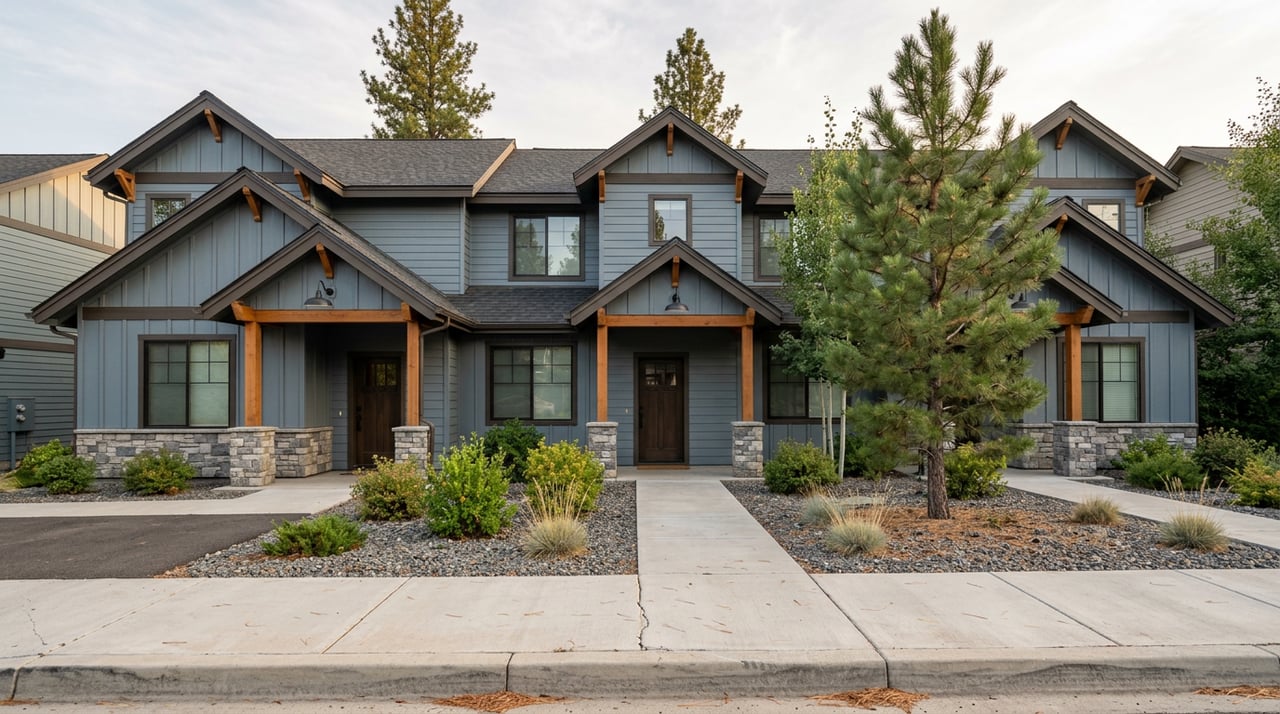
Thinking about a Phase 8 townhome because you want low-maintenance living that fits your Missoula routine? You’re not alone. Many buyers love the idea of a lock-and-leave place near trails, the river, and the course, without weekend yard work. In this guide, you’ll learn what you actually own, what the HOA typically maintains, how insurance works, and the key documents to review before you sign. Let’s dive in.
What “ownership” means in Phase 8
Before you fall for a floor plan or view, confirm the legal structure that applies to the specific townhome. In Montana, ownership and maintenance depend on how the project was recorded. Montana’s Unit Ownership Act applies only when a developer records a declaration. That declaration spells out where common elements end and your ownership begins.
Fee-simple vs. condominium
- Fee-simple townhome: You typically own the unit and the land beneath it. In many fee-simple setups, owners insure and maintain their own exteriors unless the CC&Rs say otherwise.
- Condominium (Unit Ownership Act): You own the interior of the unit, and the building structure and grounds are common elements owned together. The declaration assigns who maintains and insures items like roofs and siding. The Act allows townhome-style buildings to be condos if they were submitted by declaration. Always check the recorded documents for the exact rules. You can find definitions and how common elements are designated in the Unit Ownership Act’s declaration section.
What the HOA typically covers in Phase 8
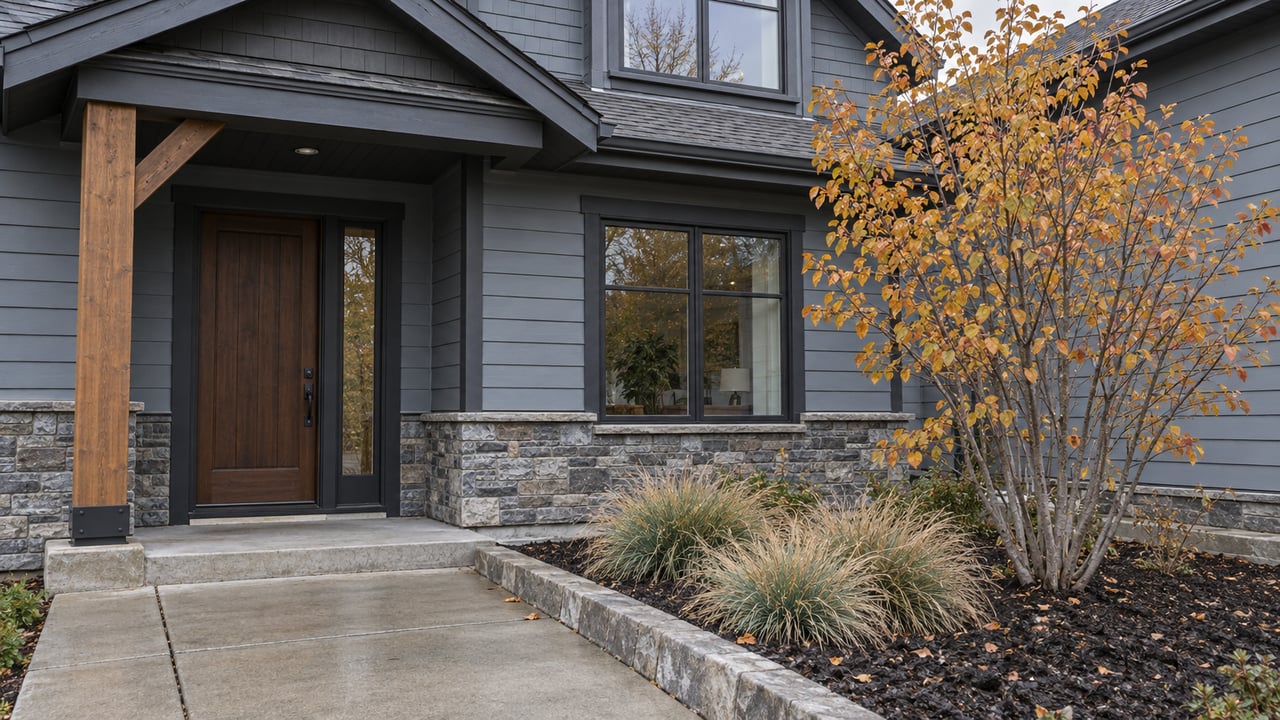
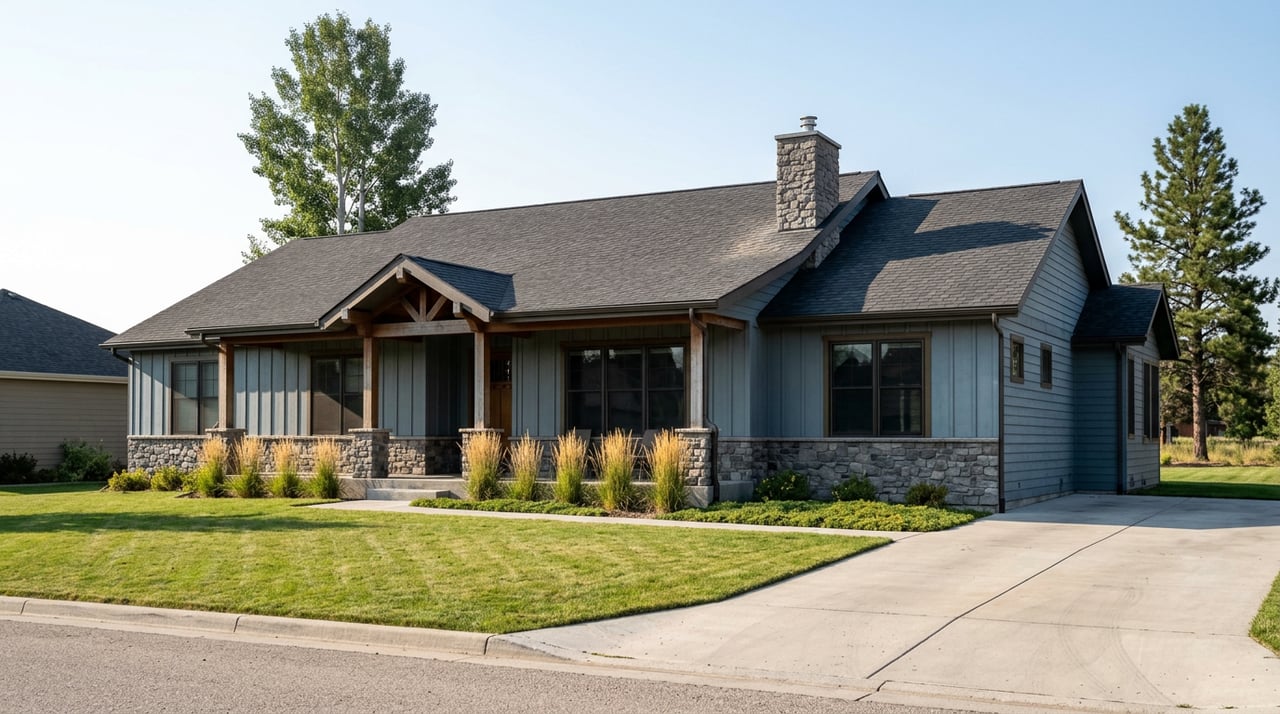
Phase 8 townhomes are marketed as low-exterior-maintenance. Recent listing language in the neighborhood describes year-round grounds care, including irrigation, mowing, and snow removal on sidewalks, driveways, and the pathways to your front door. HOA dues marketed for Phase 8 townhomes have commonly appeared around the low-to-mid hundreds per month.
Use that as a helpful baseline, but verify the specifics for the address you are buying. Ask for the line items in writing and the governing-document paragraph that backs each service. In some cases, the HOA may also handle common-area lighting or irrigation system maintenance. The simplest way to confirm is to review the CC&Rs, bylaws, and current budget for that association.
Who maintains the roof, siding, and driveway?
This is one of the most important questions in any townhome purchase. The answer lives in the recorded declaration and the HOA’s governing documents. In a condo structure, the association may maintain the building envelope as a common element, while in a fee-simple setup the owner may be responsible for exterior upkeep. The declaration and the master insurance policy are the decisive sources. For how common and limited common elements are defined and assigned, see the Unit Ownership Act’s declaration framework.
The 72-hour disclosure window in Montana
Montana gives buyers in Unit Ownership Act projects a short statutory review period for key HOA documents. Under the state’s disclosure rule, you receive certain documents from the seller and have a 72-hour window to review and can withdraw within that period if needed. Read the law on the state disclosure rule and 72-hour period. Treat this as a due-diligence trigger to confirm maintenance, insurance obligations, and any planned assessments.
Insurance basics: right-size your coverage
Your personal policy depends on what the master policy covers. Start by requesting the HOA’s master insurance declarations page (not just a summary). Look for the policy type, coverage limits, and the master deductible. These items guide whether you carry an HO-6 or HO-3, and how much interior coverage and loss-assessment protection you need. For a practical breakdown tailored to Phase 8, read this Phase 8 insurance guide.
- If the association’s master policy covers the building shell, you’ll likely carry an HO-6 (condo-style) policy to insure interior finishes and belongings.
- If you own the structure and parcel, you’ll more often carry an HO-3 (homeowner) policy.
- Add adequate loss-assessment limits in case a claim exceeds master policy limits or the deductible is allocated to owners.
Money and reserves: what to watch
In Montana, there is no broad state law that requires HOAs to complete reserve studies or fund reserves to a set level. That makes the association’s reserve plan, balance, and assessment history especially important. Learn more about state practice in this overview on Montana reserve study requirements. When you review the HOA’s budget and statements, focus on:
- Dues and inclusions. Match the marketing claims to the governing documents and budget line items.
- Reserve study and balance. Ask for the latest study, the current reserve fund total, and near-term capital projects.
- Delinquencies and special assessments. High delinquencies or recently approved projects can change your near-term costs.
Missoula-specific checks: air, radon, and flood
- Wildfire smoke: Missoula often sees summer smoke. Ask about HVAC filter ratings and whether systems can recirculate during smoke events. See local guidance from Missoula Public Health on wildfire smoke.
- Radon: Levels vary parcel to parcel. Plan to test during inspections. The Montana DEQ radon program offers homeowner resources.
- Flood risk: For homes near the Clark Fork and local creeks, review FEMA/County floodplain maps and consider flood insurance where appropriate. Use the Missoula County floodplain map resources.
Step-by-step due diligence for a Phase 8 townhome
Confirm the legal form. Ask title or the listing agent for the deed and recorded declaration. Verify whether the project was submitted under the Unit Ownership Act. See how applicability works in the Unit Ownership Act statute.
Request the full HOA packet. Ask for CC&Rs, bylaws, rules, the current budget and financials, and the resale/estoppel certificate. Be sure you also receive the master insurance declarations page. Your insurance agent can then size HO-6 or HO-3 limits and loss-assessment coverage. The Phase 8 insurance guide explains why master deductible details matter.
Read minutes and budgets for near-term projects. Look for planned roof, siding, or pavement work and any talks of special assessments in the next 12–24 months.
Validate who maintains what. Ask where the documents assign responsibility for the roof, exterior walls, windows, decks, garage doors, and driveways. If something is unclear, request clarification or legal review. The declaration section of the Unit Ownership Act describes common and limited common elements.
Inspect the home and shared elements. Order a home inspection and consider trades-specific looks at the roof, deck, and exterior envelope. If the HOA maintains these, ask for the last major work dates.
Use the 72-hour review period wisely. When the statutory documents are delivered, start your timer. The state disclosure rule provides a short window to withdraw if needed.
Smart questions to ask the HOA or listing agent
- What line items are included in dues for this unit, and where are they listed in the CC&Rs or budget?
- Who maintains and replaces the roof, siding, gutters, windows, decks, garage doors, and driveways? Please cite the recorded language.
- What is the master insurance deductible, and how is it allocated if there is a claim? Please provide the current declarations page.
- What is the current reserve balance, and when was the most recent reserve study or capital plan completed? Any planned special assessments in the next 24 months?
- Can I review the last 12 months of board minutes and the resale/estoppel certificate to confirm dues and any unpaid balances?
How Phase 8 compares to a detached home in 59802
With a townhome in Phase 8, you’re likely trading weekend yard work and winter shoveling for a predictable monthly dues line. You may also gain shared responsibility for exterior elements if the structure is condo-organized. A detached home often gives you full control and direct costs for roofs, paint, and landscaping. Either path can be a great fit. Your choice comes down to how you value convenience, control, and long-term maintenance planning. For more neighborhood context, see this quick primer on choosing the right Canyon River phase.
Ready to tour or review documents?
If a low-maintenance Phase 8 townhome fits your lifestyle, let’s make sure the details line up with your goals. From clarifying the declaration to sizing insurance, you deserve a smooth and confident process. Reach out to Stephanie Nelson to start your Canyon River story today.
FAQs
What does “lock-and-leave” mean at Phase 8?
- It refers to low-exterior-maintenance living where the HOA commonly handles grounds care and snow removal, but you should verify the exact inclusions for your unit in the governing documents and current budget.
How do I confirm if my Phase 8 townhome is a condo or fee-simple?
- Ask for the recorded declaration and the deed; the Unit Ownership Act applies only if a declaration was recorded, which will define the legal structure and maintenance split.
What insurance policy form do I need for a Phase 8 townhome?
- If the master policy covers the building shell, you’ll likely carry an HO-6; if you own the structure and lot, an HO-3 is more common—review the Phase 8 insurance guide and the master declarations page to size coverage.
What is Montana’s 72-hour disclosure review period for condos/townhomes?
- In Unit Ownership Act projects, you receive specific documents and have a 72-hour window to review and can withdraw within that period; see the state disclosure rule.
Are HOA reserve studies or funding levels required by Montana law?
- No statewide mandate applies; reserve planning is driven by governing documents and board duties, which is why reviewing reserves and assessments matters—see this overview of Montana reserve study practices.
Does the HOA plow Phase 8 driveways and sidewalks?
- Marketing for recent Phase 8 listings commonly notes snow removal for sidewalks, driveways, and paths to entries, but confirm for your address by checking the CC&Rs and current HOA budget for exact coverage.