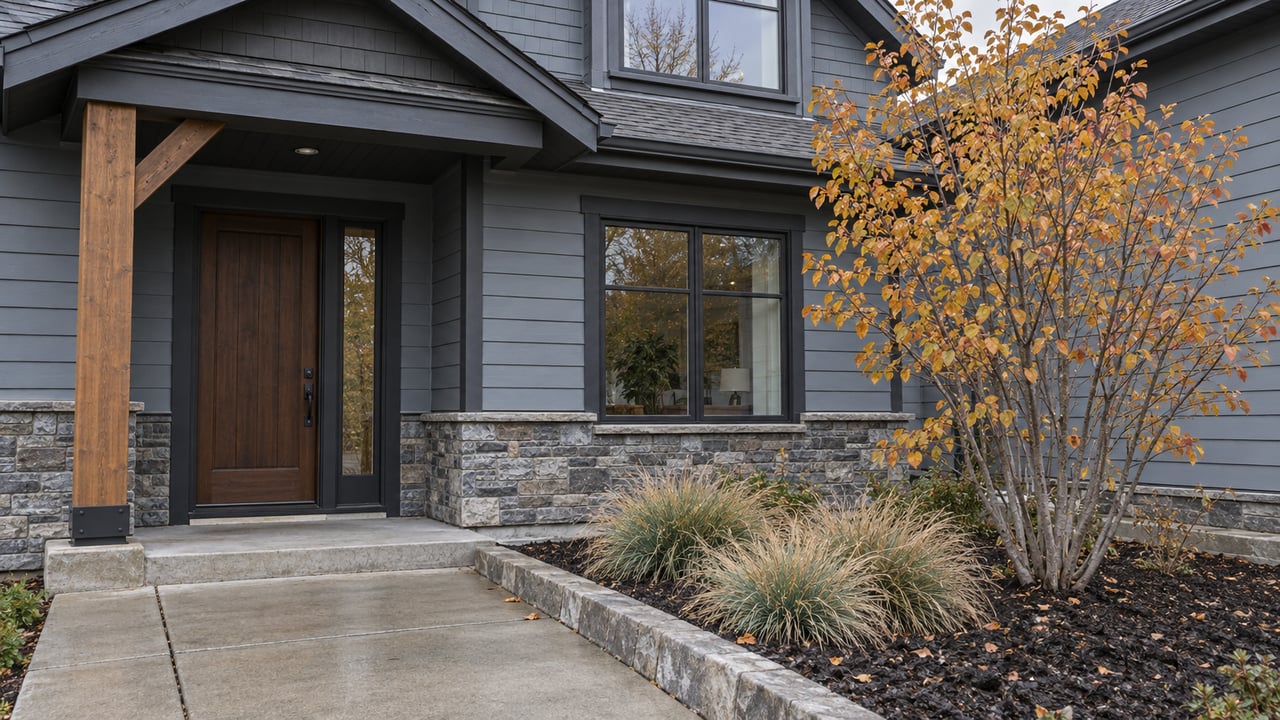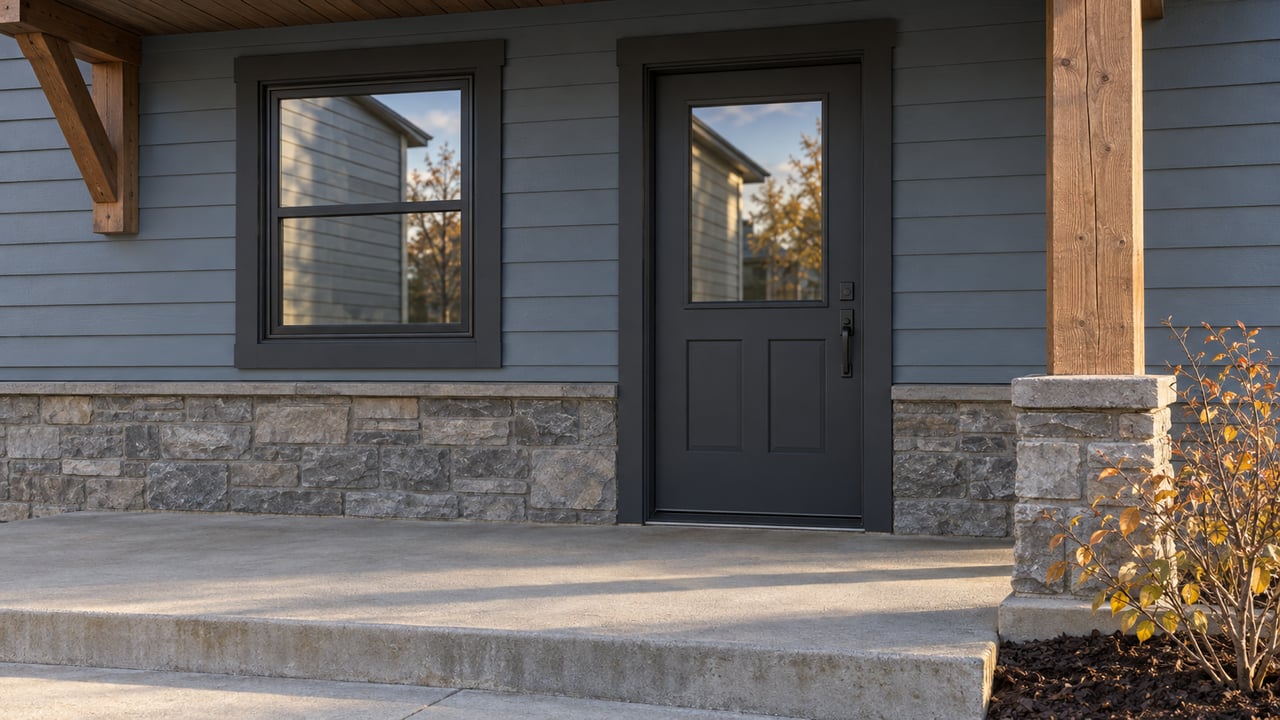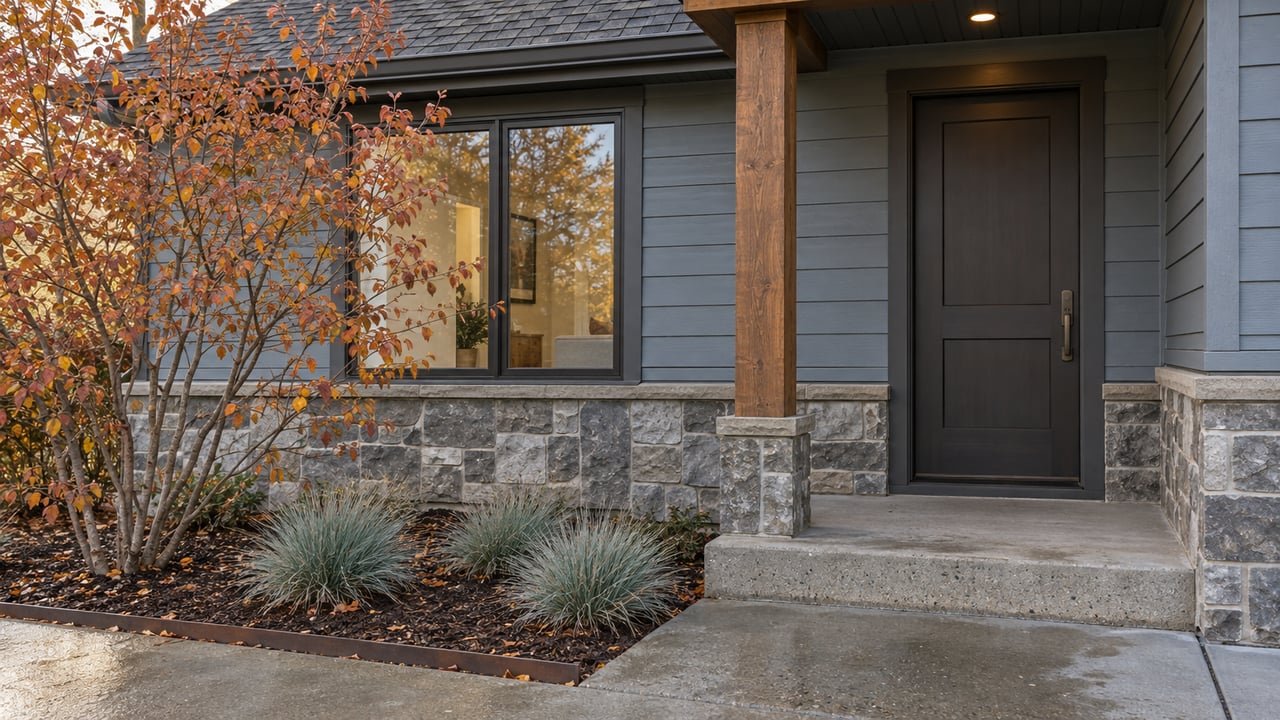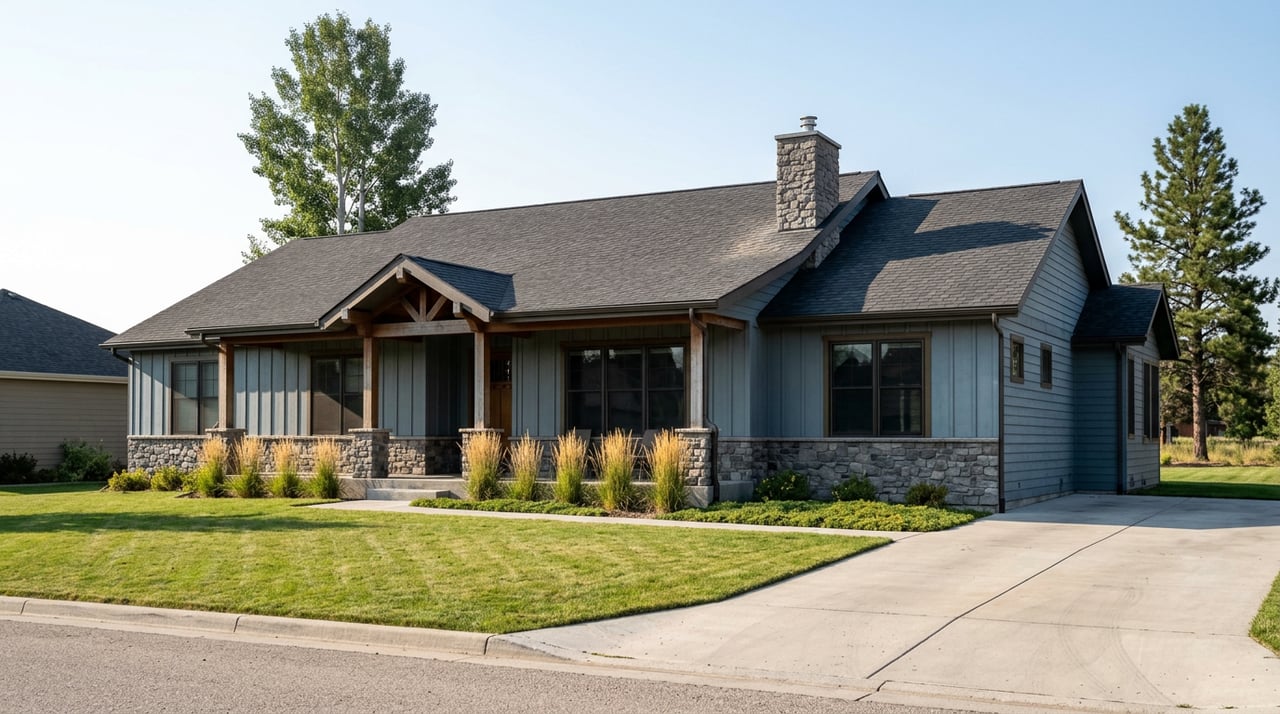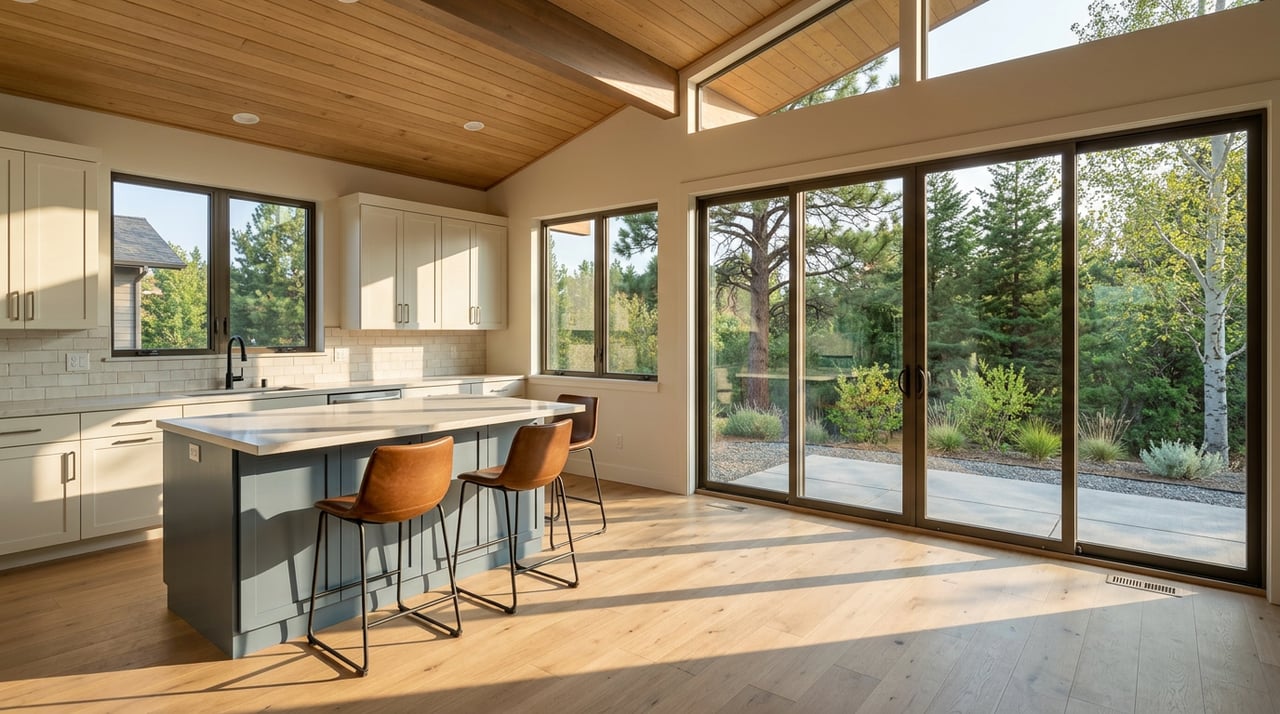
Two lots can sit side by side in Phase 9–11 and live like different homes. One gets warm morning light in the kitchen, melts snow off the driveway faster, and stays cooler on summer afternoons. The other frames a stunning canyon view but runs a little darker in winter. If you’re weighing lots in Canyon River’s Estate and Cottage phases, understanding orientation will help you match the site to your daily rhythm, comfort, and long-term plans. This guide breaks down what to look for, why it matters in Missoula’s valley setting, and how to make smart trade-offs. Let’s dive in.
Phase 9–11 in context
Phase 9–11 sits within the Canyon River community, where homes are oriented to fairways, river corridor, and the canyon landscape that defines the neighborhood’s sense of place. You’ll find lots promoted for golf-front and canyon-facing views, each with distinct light, privacy, and microclimate benefits. For community and phase details, start with the Canyon River community pages that outline the setting and product mix in this area. Explore the Canyon River community overview to ground your search in the neighborhood’s layout and amenities.
Views are a big driver of value here. The fairways and clubhouse environment offer a classic golf-community backdrop and social scene. To understand how a view might interact with light and sun angles, it helps to picture the course on a map. See the Canyon River Golf Club site for course context and fairway alignments that many Phase 9–11 lots enjoy.
Missoula’s geography adds another layer. The valley is ringed by ranges, with canyon walls and nearby hills creating strong horizon lines. Those landforms influence when the low winter sun reaches your lot, and how long summer evenings glow. A quick read of Missoula’s valley geography explains why horizon height can vary lot to lot, especially near Hellgate Canyon and local hills.
Sun and seasons in Missoula
At roughly 47 degrees north, Missoula sees long summer days and short winter days. In midsummer, daylight stretches to about 15 to 16 hours. In midwinter, it drops to around 8 to 9 hours. The sun also rises and sets far to the north in summer and stays low on the horizon in winter. You can confirm these patterns on timeanddate’s Missoula sun path.
Why that matters for Phase 9–11: the low winter sun can be blocked by even modest rises, conifers, or neighboring homes. A lot with a southern view might still lose direct winter light by midafternoon if a hill sits high on the west horizon. In summer, the high sun is easier to shade from the south, while late-day west light can run hot. The key is to test how each potential building site actually “sees” the sky.
Orienting for light and comfort
Morning light for kitchens
If you love bright breakfasts and cooler afternoons, prioritize east or southeast exposure for your kitchen or breakfast nook. Morning sun is strong yet easier to manage for heat than late-day west exposure. The Department of Energy’s consumer guide offers simple orientation rules worth following for window placement and shading. Review the basics in the passive solar design guide.
Winter daylight for living spaces
For a bright great room year-round, aim your main living areas and largest window walls within about 0 to 30 degrees of true south. This setup welcomes low winter sun and allows roof overhangs to block the high summer sun. In Missoula, overhang geometry and glazing area should be sized to local sun angles so you capture winter warmth without summer overheating. The DOE guide shows how designers size overhangs and balance glass.
West-facing glass: beautiful but warm
Big west-facing windows grab sunsets and late fairway light, but they also invite heat during the warmest hours of long summer days. If west views are a must, plan for exterior shading like vertical fins, trees, or robust shades. South and east exposures are usually easier to control with overhangs and deciduous trees. See the passive solar fact sheet for simple shading strategies you can apply with your builder.
View-first or sun-first?
In Canyon River, views can be the headline feature. If the best view faces north or east, you don’t have to give up daylight. Use your floor plan and window strategy to get both. For example, set your great room toward the fairway or canyon, then add clerestory or south-facing high windows to bring in consistent light. The course context helps you visualize how fairway corridors line up with potential window walls.
Roofs and solar panels
If rooftop solar is on your wishlist, lot orientation and tree cover make a real difference. A shade-free roof plane facing within about 30 degrees of true south delivers near-maximum annual energy production. For tilt, a good rule is to set panels close to Missoula’s latitude, around 47 degrees, with minor adjustments if you want more winter or summer output. This quick rule-of-thumb mirrors industry tools like Surge PV’s irradiance estimator.
Before you commit to a lot, sketch your intended roof planes on the site plan. Check for dormers, vent stacks, and nearby conifers that might shade the surface. Smaller east or west roof planes can still work with modest production trade-offs. If PV is a priority, ask your builder to keep a simple south plane clear and “PV-ready,” then validate with a sizing tool such as Surge PV’s calculator.
Driveways, snow, and daily living
Missoula winters bring freeze-thaw cycles that matter at street level. A south-facing driveway typically melts sooner and stays drier in spring, while a north-facing drive can hold ice longer and may need extra snow storage. Before finalizing a lot, look at street approach angles and where plows will push snow. Local climate summaries from the National Weather Service show why cold-season planning pays off; see Missoula’s climatology products for seasonal patterns.
Garage placement can also help. Putting the garage on the colder or windier side of the house creates a buffer between the street and your living areas. If privacy is important, avoid placing your largest living room windows directly on the driveway side, or plan low landscaping to screen while preserving light.
Privacy, landscaping, and wildfire readiness
Landscaping can fine-tune comfort across the seasons. Deciduous trees on the south and west offer summer shade and allow winter sun through their bare branches. Evergreen windbreaks placed on the prevailing-wind or north side reduce winter wind chill and make patios more usable. Basic strategies like these, paired with smart window placement, support comfort and natural ventilation. For an overview of airflow and seasonal comfort, see the DOE’s page on natural ventilation.
Because Canyon River edges natural open spaces, plan for wildfire resilience early. Many buyers here will benefit from a clear defensible space, fire-resistant materials, and awareness of subdivision rules on vegetation. County and planning resources outline wildland-urban interface best practices. Start with the guidance summarized in this planning report on defensible space and confirm any HOA or phase-specific rules during design review.
Microclimate and breezes
Valley communities experience predictable airflow patterns. Daytime upslope and valley breezes can help flush warm air through operable windows, while night downslope flows can cool spaces quickly. If you like sleeping with windows open in summer, place operable windows to catch these cross-breezes on opposite sides of main living areas and bedrooms. For a primer on mountain-valley wind patterns, see the airflow discussion in this aviation weather resource.
Your on-site checklist for Phase 9–11
Use this quick list during your lot tours and builder meetings:
- Lot topo and building envelope. Confirm slope and buildable area so you know how high your main floor will sit for views and sun access.
- Compass bearings. Note where true south, east, and west fall on your lot plan. This frames your design options fast.
- Horizon photos. Stand where your living room will be and snap photos morning, noon, and late day. A sun-path app and sun-angle reference help you see if mountains or trees will block winter light.
- Multiple visits. Walk the lot at different times, including an evening for sunset angles and, if possible, a bright winter day for sun reach.
- Tree inventory. Note conifer height, species, and whether trees sit on your lot or neighbors’. Large evergreens south of your building site can cut winter sun significantly.
- CC&Rs and design guidelines. Check setbacks, garage placement, roof pitch, and window rules that affect how you orient major rooms.
- Utility easements. Map any rear-yard or side-yard easements so you know where mechanicals and hardscape can go.
- Snow and grading rules. Review county or HOA requirements for snow storage and grading. The NWS climatology page helps you plan for typical conditions.
- Neighbor build-out. Ask about timelines for adjacent lots. Future homes and new trees can change shade, privacy, and view corridors.
- PV priorities. If solar is on your list, confirm a clear south roof plane and check estimated production with a tool like Surge PV.
Putting it all together
There isn’t a single “perfect” orientation that wins every category. In Phase 9–11, you’re balancing view corridors, winter daylight, summer shade, privacy, and everyday function like driveway safety and snow. The good news is you can often get most of what you want with small design moves: turn the great room 15 degrees, add targeted exterior shading, choose clerestories to boost light, or preserve a clean south roof plane for PV. In Missoula’s valley light, these choices add up to a home that feels better year-round and holds value.
If you want help matching a Phase 9–11 lot to your wish list, connect with a local guide who knows the sun paths, views, and design guidelines. Start with a walk of your top lots, a quick horizon check, and a floor plan sketch to test where windows, patios, and roof planes should land. Ready to compare options and move from touring to planning? Reach out to Stephanie Nelson to Start Your Canyon River Story.
FAQs
Should I pick the view-facing lot in Phase 9–11 even if it’s not south-facing?
- Not always. Views often command value, but if the view forces large west glass or poor winter sun, you might trade comfort and efficiency. Use the floor plan to capture the view and add south-facing daylight with clerestories or secondary windows.
Will a south-facing home run hot in Missoula summers?
- Not if you design for it. Properly sized roof overhangs, deciduous trees, and operable shades admit winter sun and block high summer sun, which is easier to manage than strong west exposure.
Can I get good solar production if my roof isn’t due south?
- Yes. A roof plane within about 30 degrees of true south performs near optimally, and east or west arrays still work with modest losses. Keep the plane shade-free and validate with a PV tool before you buy.
How much do nearby trees affect winter light in Phase 9–11?
- Mature evergreens to the south can block most low winter sun. Deciduous trees block far less in winter. Always check the horizon from the planned living-room elevation with photos or a sun-path app.
Does Missoula’s valley setting change standard orientation advice?
- Yes. Surrounding mountains and canyon walls raise the horizon, shortening winter sun windows on some lots. That’s why on-site horizon checks are essential in Canyon River.