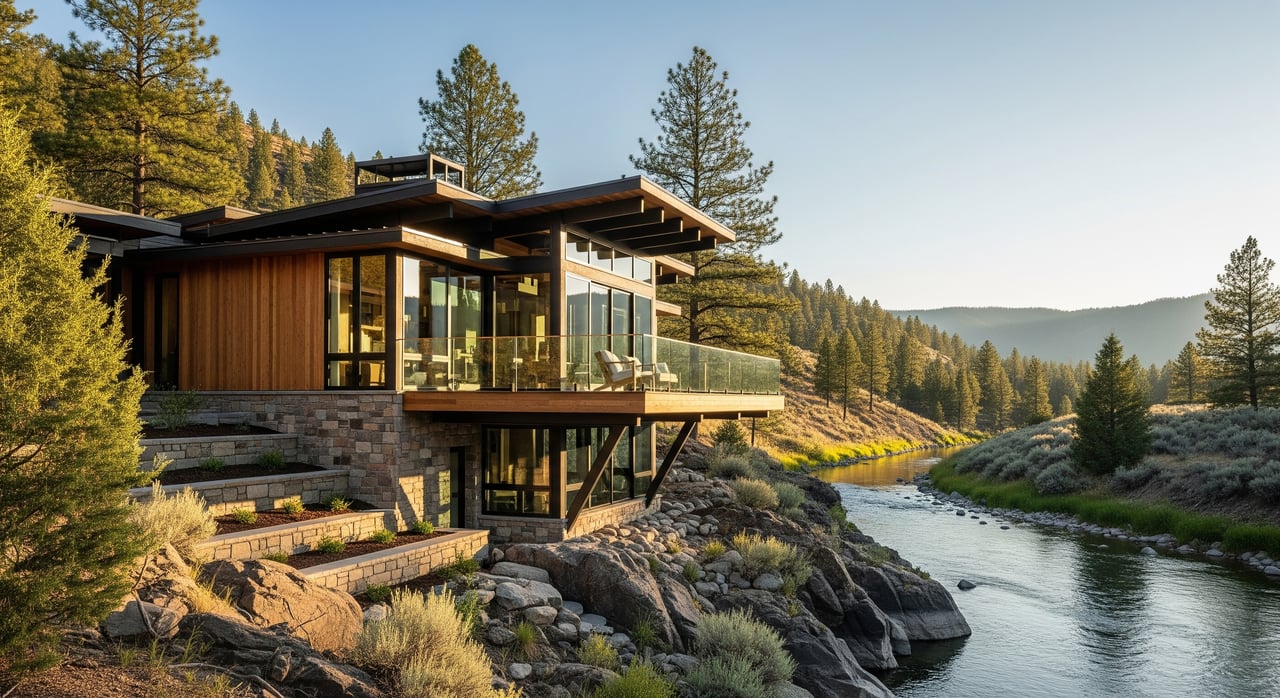
What will your Canyon River custom home really cost? If you are eyeing a lot in 59802, you want a clear, local budget before you commit. This guide breaks down the major cost categories, Canyon River site factors that shift pricing, permits and timelines in Missoula, and smart ways to control spend from day one. By the end, you will have a practical framework to build with confidence. Let’s dive in.
What drives your build budget
Land purchase and due diligence
Your lot choice sets the stage for everything else. Price can vary based on size, views, buildable area, and community covenants. Budget for surveys, title updates, and any needed access or curb-cut work. Check recent area sales and verify lot details with the county assessor before you finalize numbers.
Site prep and infrastructure
Site work often surprises first-time builders. Clearing, grading, tree removal, and erosion control add up quickly, especially on sloped or rocky terrain. Plan for boundary and topographic surveys, and consider a geotechnical report to understand soils before you price foundations. If your lot is not on municipal sewer, include test holes and septic planning. Winter conditions and a shorter construction season can increase mobilization and staging costs.
Foundation and below-grade work
Foundation design depends on soil conditions and local code requirements for frost depth. Excavation, footings, walls, waterproofing, and insulation all scale with design. A geotechnical report helps avoid surprises and right-sizes your concrete scope.
Framing and exterior envelope
The shell includes framing, roofing, windows, doors, siding, and insulation. High-performance windows and thicker insulation increase upfront cost but can lower operating costs. If you want larger openings for views, plan for possible structural upgrades in your budget.
Mechanical, electrical, plumbing (MEP)
The Missoula climate rewards efficient heating choices. Your HVAC type and sizing, plumbing runs, electrical service, and any gas lines will be major line items. If you are on well and septic, include drilling, pumping, treatment, and septic design and installation in your estimates.
Interior finishes and allowances
Finish level is the biggest driver of per-square-foot variance in a custom build. Cabinets, countertops, flooring, tile, lighting, and appliances can swing costs significantly. Use clear allowances in your contract and lock key selections early to prevent change orders.
Soft costs and professional fees
Design and approvals matter. Architect or designer fees, engineers, energy modeling, permits, impact fees, and utility taps are part of the total. Typical soft costs range from 8 to 20 percent of the project depending on complexity and consultant scope.
Contingencies and inflation
Carry a construction contingency of 10 to 20 percent to handle unknowns, especially for new custom builds or unusual sites. Keep a soft-cost reserve of about 5 to 10 percent for design changes. Account for material price volatility when you set your overall budget.
Canyon River site factors to plan for
Topography and soils
Canyon River lots can include slopes, native rock, and variable soils. These conditions affect grading, retaining walls, and foundation design. A geotechnical report with soil borings is a wise early investment.
Utilities and connections
Confirm water, sewer, electricity, gas, and broadband availability. If the lot requires a well and septic, expect added design, permitting, and timeline steps. Request written tap fees and any required service upgrades from providers early. Capacity or transformer upgrades can impact budgets.
Access and logistics
Steep or narrow access increases mobilization time and may limit delivery methods. Temporary access improvements, staging areas, or permits could be needed, all of which affect cost and schedule.
Seasonality and build timing
Missoula winters and spring conditions shorten the outdoor construction season. Scheduling major exterior work in late spring through summer reduces weather risk, but peak demand may increase subcontractor pricing. Build your schedule with buffer time for weather.
Wildfire and defensible space
Western Montana includes wildland-urban interface considerations. You may need ember-resistant materials and defensible-space landscaping. Plan for compliant materials and site work when you estimate exteriors and landscaping.
Floodplain and environmental overlays
Verify floodplain, wetlands, and steep-slope overlays before design. Building in these areas can trigger additional permitting, mitigation, or insurance requirements that change both budget and timing.
Permits, fees, and who to contact
City or County jurisdiction
Confirm whether your Canyon River lot falls under the City of Missoula or Missoula County. Jurisdiction determines submittal requirements, inspections, fee schedules, and timelines.
Health and septic approvals
If the lot is not on municipal sewer, the septic system requires design, percolation testing, and permit approval from the local health authority. Include these steps in your pre-construction timeline.
Tap and impact fees
Water and sewer tap fees vary and may require capacity checks. Electrical service upgrades through the utility can add costs. Ask for fee schedules and typical timing in writing before you finalize your budget.
Stormwater and erosion control
Plan for stormwater management and erosion control, especially on sloped sites. Requirements can influence grading, retaining, and drainage line items.
Codes and fire requirements
The local building code based on the International Residential Code guides frost-depth insulation, seismic, and wind provisions. Wildfire-resistant construction guidance may apply in WUI zones. Design with these standards in mind from the start.
Taxes and assessments
New construction can change assessed value and tax liability. Check current mill levies and any special district assessments with the county before you close on a lot or pull permits.
Financing and cash flow basics
Common loan options
- Construction-to-permanent loans convert to a mortgage when you finish.
- Standalone construction loans are interest-only during the build, then you refinance into a permanent mortgage.
- Local banks and private lenders often understand Missoula’s construction rhythms and draw processes.
Lenders typically require detailed plans, a line-item budget, and contingency reserves. Get pre-approval for construction financing before you break ground.
Draw schedules and reserves
Create a phased budget aligned with design, permitting, site work, shell, MEP, finishes, and closeout. Set draw milestones by percent completion, and expect some retainage until final items are complete. Keep a dedicated interest and contingency reserve to avoid delays.
Hiring and contract approach
Decide how you will hire: design-bid-build, design-build, or a general contractor who manages competitive trade bids. For custom homes in Canyon River, a GC with local code and supplier experience is common. Require written scopes, allowances, unit pricing for changes, and clear contract terms.
Timeline to expect in 59802
Pre-design and lot due diligence
Plan 1 to 3 months for surveys, geotechnical work, utility confirmations, preliminary design, and high-level pricing. Early due diligence reduces risk and tightens your budget.
Design and permitting
Design often takes 3 to 6 months depending on complexity and revisions. Permitting typically runs 1 to 3 months, depending on jurisdiction and completeness of submittals. Overlapping design and permitting can save calendar time but increases coordination needs.
Construction
Expect 8 to 12 months or more, depending on site conditions, weather, and finish level. Winter work and high-end finishes can extend the schedule. Plan your exterior phases for the best weather window.
Cost-control moves that work
- Do thorough lot due diligence early: survey, soils, utility availability, floodplain checks.
- Lock major selections early and use allowances carefully.
- Use a clear line-item budget and update it weekly during construction.
- Build in a construction contingency of 10 to 20 percent.
- Include a soft-cost reserve for design changes.
- Schedule critical exterior work for the best weather and include a buffer for delays.
- Get multiple bids and request written fee schedules from utilities and agencies.
Starter budget template
Use these ranges as a framework and replace them with local bids.
- Site work and utility connections: 3 to 10 percent
- Foundation and underground: 8 to 15 percent
- Framing and shell: 15 to 25 percent
- Exterior finishes and roofing: 5 to 12 percent
- MEP systems: 10 to 20 percent
- Interior finishes: 15 to 30 percent
- Soft costs: 8 to 20 percent
- Contingency: 10 to 20 percent
- Landscaping and outdoor living: 2 to 8 percent
Keep land purchase and closing costs as a separate line outside your construction budget.
Canyon River buyer checklist
- Verify jurisdiction, zoning, and community covenants.
- Order boundary and topographic surveys.
- Commission a geotechnical and, if needed, percolation test.
- Confirm utility availability and request written tap or connection fees.
- Get preliminary scope and pricing input from one or two local architects and builders.
- Obtain construction financing pre-qualification and understand draw requirements.
- Set contingencies: at least 10 percent for construction plus a soft-cost reserve.
- Secure permits and finalize a contract with clear change-order rules before mobilization.
Work with a local guide
A Canyon River build should be as enjoyable as the lifestyle you are creating. A local team that knows the lots, utilities, and seasonal rhythms will help you protect your budget, pick the right builder, and time the work for success. With a preferred-builder ecosystem, model plan options, and hands-on brokerage support, you can move from lot selection to move-in with clarity and confidence.
Ready to start budgeting your Canyon River custom home the right way? Connect with Stephanie Nelson to walk lots, discuss the process, and align your plan with the realities of building in 59802.
FAQs
How much contingency should I carry for a Canyon River build?
- Plan a construction contingency of 10 to 20 percent, plus a soft-cost reserve of about 5 to 10 percent for design changes.
What site tests do I need before I buy a lot in 59802?
- Order boundary and topographic surveys, a geotechnical report with soil borings, and if the lot is not on sewer, percolation testing for septic design.
How long does a custom home in Canyon River typically take?
- Expect 1 to 3 months for due diligence, 3 to 6 months for design, 1 to 3 months for permitting, and 8 to 12 months or more for construction.
Will wildfire and defensible-space rules affect my budget?
- Yes, WUI guidelines can require ember-resistant materials and specific landscaping practices, which influence exterior and landscaping costs.
Who handles permits for Canyon River projects in Missoula?
- Confirm whether your lot is under the City of Missoula or Missoula County. You will work with the appropriate building department and, if needed, the local health department for septic.
Can I combine land and construction financing for a Missoula build?
- Yes, construction-to-permanent loans combine the build phase with a long-term mortgage. Standalone construction loans that convert later are another option.