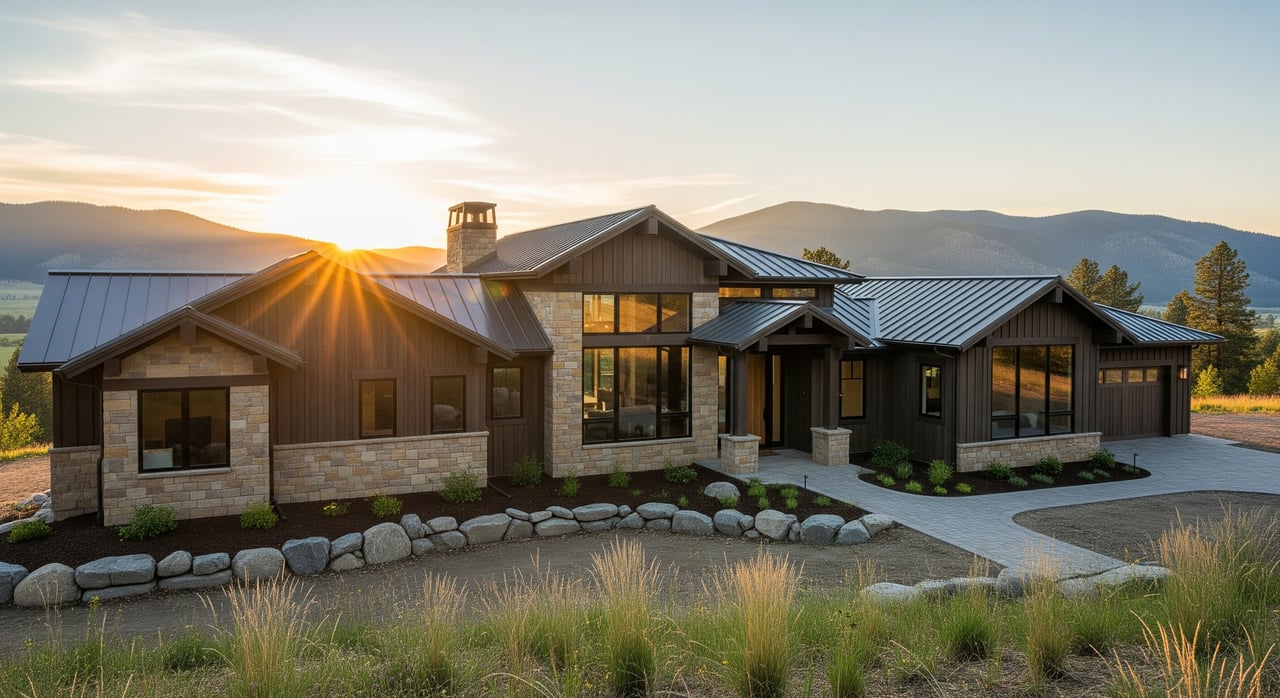
You’re here because you want a healthy, well-built home in Canyon River’s newest phases, without surprises later. In Missoula, radon should be part of that plan from day one. In this guide, you’ll learn why Phase 9–11 homes should be built radon-ready, what to include in your specs, the expected costs, how and when to test, and where to find local resources. Let’s dive in.
Why radon-ready matters in Phase 9–11
Missoula County is classified by the EPA as a Zone 1 radon area, meaning the highest potential for elevated indoor levels. You can see this on the EPA Radon Zones map. Local reporting shows many Missoula homes test at or above the EPA action level of 4.0 pCi/L, with averages often around 6 to 7 pCi/L and roughly half of tested homes exceeding 4 pCi/L, which underscores why every house should be tested (Missoula radon results snapshot).
Even within the same neighborhood, radon varies from house to house. Building radon-ready now helps control risk, protects future resale, and avoids costlier retrofits.
Radon-resistant basics for new homes
Radon-resistant new construction (RRNC) is a simple set of rough-ins that create a passive ventilation path under your home. Per EPA guidance, include these five core elements:
- Gas-permeable layer under the slab or floor.
- Plastic sheeting (6‑mil polyethylene or approved vapor retarder) over the layer or crawlspace soil.
- Sealing at slab edges, joints, sumps, and penetrations.
- A dedicated vent pipe (3 to 4 inch PVC) from below slab to above the roof, labeled “Radon System.”
- An electrical junction box near the vent path for a future fan and control.
These basics follow the EPA’s RRNC construction techniques and align with ANSI/AARST standards recognized by leading green-home programs.
Match RRNC to your foundation
Slab-on-grade
Before the pour, place 4 inches of gravel or an engineered collection mat, cover with sealed plastic sheeting, and stub the vent riser through the slab. Seal the slab perimeter and any penetrations. This creates a ready path for future fan activation if needed, as described in the EPA RRNC basics.
Basement or full foundation
Install a collection layer below the basement slab, seal floor-wall joints, and route the vent from the sub-slab area or sealed sump to above the roof. Ensure you plan for accessible fan placement and power. Homeowner guidance on testing and mitigation is summarized by National Radon Program Services.
Crawlspace
Lay high-density polyethylene over the crawlspace soil, seal seams and the perimeter to the foundation, and connect a perforated collector under the membrane to the vent pipe. Crawlspaces sometimes need a fan sooner to maintain negative pressure under the membrane. See sosradon’s homeowner guidance for an overview.
Sumps, drains, and well water
Plan sealed sump covers and appropriate vent connections. If you will use a private well, test the water for radon, since very high radon in water can add to indoor air levels; the Montana DEQ Radon Control Program explains when water treatment may be needed.
Builder checklist and buyer asks
- Specify RRNC rough-ins per EPA and ANSI/AARST: gas-permeable layer, 6‑mil membrane with sealed seams, labeled 3 to 4 inch vent pipe to the roof, and a junction box for a future fan. Reference the EPA’s builder resources for RRNC in your specs.
- Seal all slab edges, joints, and penetrations. Document products and methods used.
- Provide a one-page “Radon System Record” with as-built photos that show pipe routing, membrane details, and the junction box location, plus simple testing instructions.
- Require a post-construction radon test. Current industry guidance expects testing after the home is complete. If results are at or above 4.0 pCi/L, plan to activate the system with a fan and retest.
- Define responsibility in the contract. Clarify who installs rough-ins, who conducts testing, and who pays for activation if the action level is exceeded.
- Use certified radon pros when activating systems. The National Radon Program Services explains RRNC and how to find qualified providers at sosradon.
Cost, timing, and effectiveness
Incremental RRNC costs during construction are modest, typically about $250 to $750 per home, according to the EPA’s guidance for buyers (RRNC costs overview). Retrofitting after move-in usually costs more, which is why it is smart to rough-in now.
Montana DEQ also notes that installing radon-resistant features in new homes costs considerably less than mitigation after the fact; check the DEQ program page and get local bids for precise numbers. When a fan is added, properly designed active systems commonly reduce indoor radon by 80 to 99 percent, as summarized by National Radon Program Services.
Schedule impact is minimal. Most RRNC steps happen during normal foundation work, with quick documentation during rough-in and pre-drywall.
How and when to test your new home
Test every home below the third floor. The EPA and Montana DEQ recommend testing during colder months for a conservative snapshot, then confirming with a long-term test when possible. See the EPA’s radon zones map and guidance for general recommendations.
- Short-term tests (2 to 7 days) are common for quick screening and real-estate timelines.
- Long-term tests (90+ days) provide a better year-round average.
- Take action at 4.0 pCi/L or higher. Consider action between 2.0 and 4.0 pCi/L based on your preferences and occupants.
- If results are high, have a qualified mitigator activate the RRNC system and retest to verify reduction.
For low-cost kits and local providers, start with the Montana DEQ Radon Control Program. Missoula City-County Health often offers discounted short-term kits; check current availability through state and county channels.
Local resources for Phase 9–11
- Montana DEQ Radon Control Program: testing guidance, kits, and lists of measurement and mitigation providers. Visit the DEQ radon hub.
- EPA builder resources: RRNC specs, standards updates, and verification steps. Review the EPA RRNC builder page.
- National Radon Program Services: homeowner guides, RRNC information, and directories for certified pros. Explore sosradon’s RRNC install page and homeowner resources.
A radon-ready plan fits right in with the lifestyle you chose at Canyon River: fresh air, open skies, and peace of mind. Build it into your Phase 9–11 specs now, test at completion, and activate only if needed. For help selecting your lot, aligning your floorplan with the site, and coordinating with preferred builders who understand RRNC, connect with Stephanie Nelson.
FAQs
Do new homes in Missoula still need radon testing if they are built radon-ready?
- Yes, the EPA recommends testing every new home; RRNC reduces risk and makes mitigation easier, but only a post-construction test confirms indoor levels.
What exactly is the EPA action level for radon, and what happens if I exceed it?
- The EPA action level is 4.0 pCi/L; if your test meets or exceeds that, activate the RRNC system with a fan and retest to verify reduction.
How much does radon-ready construction add to a Phase 9–11 build budget?
- The EPA cites about $250 to $750 during construction, with retrofits often costing more later; get local bids for precise pricing.
What RRNC components should I see in my build specs for a Canyon River home?
- Look for a gas-permeable layer, sealed plastic sheeting, thorough sealing of joints and penetrations, a labeled 3 to 4 inch vent pipe to the roof, and an attic or accessible junction box for a fan.
If my home will have a crawlspace, what changes in the radon plan?
- The crawlspace soil should be covered with sealed polyethylene and connected to the vent; crawlspaces sometimes need a fan sooner to maintain negative pressure.
Should I test my well water for radon at Canyon River?
- If you will use a private well, yes; test the water and consult Montana DEQ guidance on when treatment might be needed and which methods are appropriate.